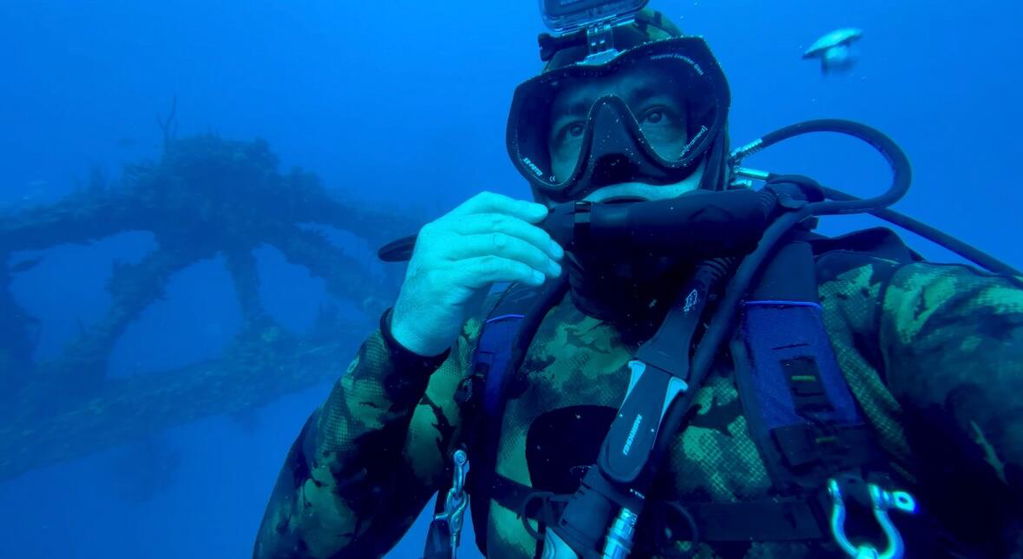
Some of the best friendships in diving start the same way: two people standing on a dock, realizing they both need someone to get in the water with. Whether you've just earned your Open Water card or you've been diving for years and your usual partner moved away, finding a good dive buddy is one of the most valuable things you can do for your time underwater — and for your place in the local dive community.
A great buddy makes diving safer, more fun, and a lot more social. This guide covers where to actually meet dive buddies, how to tell if someone's a good match, and the pre-dive habits and gear that make diving together smooth and safe.
Why the Buddy System Still Matters
Recreational training agencies — including PADI, NAUI, and SSI — build their courses around the buddy system for a simple reason: a second diver is your most reliable backup. If you have an equipment problem, run low on air, or get disoriented, a nearby buddy can share air, help sort out a tangle, or signal the boat. Solo diving is its own discipline with its own training and redundant gear, but for most recreational divers, diving with a partner is the standard for good reason.
Beyond safety, a buddy is who you point at the octopus with. Diving is a shared experience — the signals exchanged at depth and the stories swapped on the surface interval are a big part of why we keep coming back. Finding people to share that with is what turns diving from a hobby into a community.
Where to Find a Dive Buddy
You don't have to rely on luck. Divers are everywhere once you start looking, and most local dive communities are genuinely welcoming to anyone trying to get more time in the water.
Join a Local Dive Club
A dive club is the single best place to meet reliable buddies. Clubs are built around regular dives, shared trips, and members at every experience level who are actively looking for people to dive with. Show up to a meeting or a scheduled shore dive and you'll likely leave with a few numbers in your phone. If you're not sure how to find one or what to expect, our guide to finding and joining a local dive club walks through the whole process.
Your Local Dive Shop and Continuing Education
Dive shops are community hubs. Many host regular shop dives, fun dives, and social events, and the staff often know exactly who's looking for a buddy. Signing up for a continuing education course — Advanced Open Water, Rescue Diver, or a specialty like night or deep diving — is also one of the fastest ways to meet divers at a similar level, because you'll spend real time in the water together.
Dive Meetups, Events, and Cleanups
Community events are a low-pressure way to meet people who dive. Underwater cleanups, in particular, attract divers who care about the same waters you do and are happy to team up — our recap of the Newport Harbor Underwater Cleanup is a good example of the kind of event where buddies find each other. Dive shows, film nights, and beach cleanups all work the same way: shared interest first, buddy pairings second.
Online Communities and Dive Buddy Apps
If your schedule is unpredictable, online groups can help. Regional dive forums, local Facebook groups, and dedicated dive-buddy apps let you post when and where you want to dive and connect with divers nearby. Treat first meetings sensibly: dive a familiar, easy site the first time out, talk through experience and gear beforehand, and keep the first dive well within both divers' comfort zones.
Group Dive Trips
Signing up for an organized group trip is a shortcut to finding buddies, because everyone arrives already looking to pair up. If you'd rather help organize one yourself, our step-by-step guide to planning a group dive trip covers everything from headcount to buddy assignments.
What Makes a Good Dive Buddy Match
Not every diver is the right buddy for every dive. A good pairing comes down to a few practical questions worth talking through before you gear up together:
- Certification and experience: You don't need identical logbooks, but your planned dive should sit comfortably within the training and experience of the less-experienced diver.
- Comfort and pace: Some divers like to cover ground; others hover over one reef head for twenty minutes. Matching pace prevents one buddy constantly waiting on — or chasing after — the other.
- Goals for the dive: Photography, spearfishing, sightseeing, and skills practice all demand different attention. Agree on the purpose before you descend.
- Air consumption: If one diver breathes through a tank much faster, plan the dive around that person so no one feels rushed or shortchanged.
The best buddy is often not the most advanced diver in the room — it's the one whose diving style and plan for the day line up with yours.
Before You Dive: The Buddy Check
Once you've found a buddy, the pre-dive safety check is where good buddy diving actually begins. PADI teaches the acronym BWRAF — commonly remembered as "Begin With Review And Friend" — and running through it together before every dive catches the small problems that cause big ones:
- B — BCD: Inflate and deflate to confirm it holds air and vents properly.
- W — Weights: Check that weight belts or integrated pockets are secure and both divers know how to ditch them.
- R — Releases: Locate and check every buckle and strap on your buddy's rig, so you could help in an emergency.
- A — Air: Confirm the tank valve is fully open, breathe off the primary and alternate, and check that gauges read a full tank.
- F — Final check: A last look for dangling gauges, twisted hoses, and anything missing before you enter the water.
It takes two minutes and it's the clearest sign you're diving with someone who takes the partnership seriously. Do it every time, even with a buddy you've dived with for years.
Communicating Underwater
Good buddies stay in contact and stay talking — using hands instead of words. Before the dive, agree on your key hand signals (okay, up, down, low on air, out of air, and any site-specific signals) and confirm you both read them the same way. Decide who leads, roughly how you'll navigate, and how close you'll stay.
Positioning matters as much as signals. Stay within a couple of body lengths of each other and check in regularly with an "okay" signal. In low visibility, kelp, or at night, close that gap and consider staying in light or physical contact. A bright dive light doubles as a communication tool — a beam swept across your buddy's field of view is an effective way to get attention, and a steady spot beam makes it easy to keep track of each other when the water gets dark or murky. The BigBlue 2900 Lumen dual-beam dive light ($439.99) pairs a wide flood for general vision with a focused spot for signaling, and it's a solid all-around choice — browse the full range of dive lights to find one that fits your diving.

Plan for Getting Separated
Even careful buddies lose sight of each other sometimes. The key is agreeing on what you'll do before it happens, so you both follow the same plan. The widely taught procedure is straightforward: if you lose your buddy, stop, and search for no more than one minute — turning a slow 360 and looking up and down for bubbles. If you still can't find them, ascend slowly and safely, staying within your no-decompression limits, and reunite at the surface. Because your buddy is doing the same thing, you should both surface within a minute or so of each other. Once you're up, stay up until you've found each other.
A surface marker buoy (SMB) makes that reunion — and the whole dive — safer. Deployed at the end of a dive, it marks your position for the boat and for a separated buddy, and it keeps you visible to surface traffic while you wait. The Akona Surface Marker Buoy with 20M Spool Combo ($109.95) is a high-visibility SMB bundled with a spool, so you have a complete signaling setup in one package.

Gear That Makes Buddy Diving Safer
You don't need much beyond your standard kit, but a few items make diving with a partner noticeably easier and safer:
- Surface marker buoy and spool: For marking your position and reuniting at the surface.
- Dive light: For signaling and staying in visual contact, especially in kelp, low viz, or on night dives.
- Audible signaling device: A whistle or tank banger to get attention on the surface or below it.
- A serviced alternate air source: Because sharing air is the whole point of having a buddy.
You can find these and other essentials in our safety and signaling and diving essentials collections. And if you and a new buddy dive different computers, take a minute to compare how each displays no-deco time and ascent warnings so you can watch out for each other underwater — you can compare options in our dive computers collection.
Be the Buddy You'd Want to Dive With
Finding a great dive buddy is really about becoming one. Show up on time and prepared, do the buddy check without being asked, stay close and attentive in the water, and be honest about your limits. Divers remember who they felt safe with — and those are the people who get invited on the next trip.
So get involved. Join a club, sign up for a course, show up to a cleanup, or post in a local group. The community is out there, and it's easier to break into than you'd think. When you're ready to gear up for diving with a partner, browse our safety and signaling gear or reach out to the team at DiveCatalog.com — we're always happy to help you and your buddy show up ready for the water.