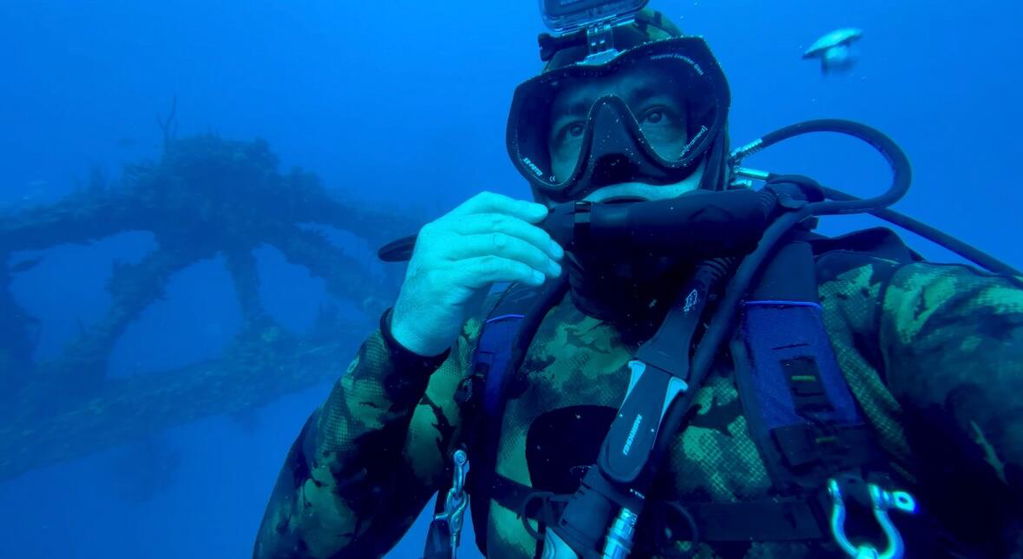
Joining a local dive club is one of the best ways to grow as a scuba diver. Whether you just completed your Open Water certification or have hundreds of logged dives, dive clubs offer something most solo divers miss: a built-in community of people who share the same passion for what's underwater.
This guide covers how to find a club near you, what to expect when you join, and the gear that makes sense to own once you're diving regularly.
What Is a Dive Club?
A dive club is a group of certified divers who meet regularly to plan dives, share knowledge, and explore local waters together. Some are formal organizations with membership dues and scheduled calendars; others are informal groups that coordinate through social media or group chats.
Most clubs offer a mix of the following:
- Regularly scheduled local dives — both shore and boat
- Group travel to domestic and international dive destinations
- Equipment advice, gear demos, and occasional swaps
- Safety workshops and continuing education opportunities
- Volunteer events like reef surveys and underwater cleanups
How to Find a Dive Club Near You
Ask your local dive shop. Dive shops are the community center of the scuba world. Shop staff typically know which clubs operate in the area, and many shops host or sponsor club activities. If you're already shopping at DiveCatalog.com, reach out — we can often point you toward active groups in Southern California and beyond.
Use the PADI Dive Club Finder. PADI maintains a searchable directory of affiliated dive clubs at padi.com. Search by zip code or city to find clubs in your area. Most listed clubs are established organizations with regular dive schedules.
Search Meetup.com. Many casual dive groups organize through Meetup using search terms like "scuba diving [your city]". These tend to be more social and open in nature, which makes them a natural entry point for new divers.
Check Facebook Groups. Searching "[your city] scuba diving" or "[your state] scuba divers" on Facebook will usually surface active local groups. These communities frequently share upcoming dive events and can connect you with established club contacts.
Contact SSI or NAUI. Both SSI and NAUI maintain affiliated club programs. If you trained through either agency, they can help identify local clubs affiliated with your certification system.
What to Expect When You First Join
Most clubs welcome new members with little more than a current certification card and a willingness to show up. Here's what the first few dives typically look like:
- A brief orientation covering the club's safety protocols and dive procedures
- Being paired with a buddy — many clubs match newer members with more experienced divers for early outings
- Pre-dive briefings that cover the site, entry and exit procedures, signals, and emergency protocols
- Post-dive debriefs where the group shares observations and any issues that came up
Clubs vary in skill requirements. Many welcome all certified recreational divers on standard dives and organize separate events for advanced or technical divers. When evaluating a club, it's worth asking about the typical experience level of members and what certification levels are expected for the dives you want to join.
Gear Every Club Member Should Consider Owning
Renting gear works fine for occasional diving. But once you're diving regularly with a club — monthly or more — owning personal equipment becomes practical. Rental gear is adjusted for fit each time and may not be available on short notice. Personal gear is maintained on your schedule and fitted specifically to you.
Mask, fins, and wetsuit. These are the most personal items in any kit. A rented mask will rarely seal as well as one fitted to your face. The same logic applies to fins — proper fit reduces leg fatigue and improves your kicks. A wetsuit matched to local water temperatures keeps you comfortable and in the water longer.
BCD (Buoyancy Compensator Device). Once you're diving consistently, a BCD that fits your body and matches your diving style makes a meaningful difference. A good jacket-style BCD distributes lift evenly and gives you the pockets, D-rings, and integrated weights you'll use on every dive.

TUSA Soverin Alpha BC with AWLS III — a reliable jacket-style BCD designed for recreational divers.
Dive computer. A personal dive computer tracks your actual dive profile rather than a shared conservative baseline. It's your primary safety tool for monitoring no-decompression limits, depth, dive time, and ascent rate. Most active club divers consider this non-negotiable gear.

Mares Smart Wrist Dive Computer — a beginner-friendly wrist computer with a clear display and straightforward interface.
Gear bag. Getting to and from dive sites — especially boat dives — requires a bag built for wet, sandy, salty gear. A durable duffel with enough volume for a full kit saves you from scrambling with grocery bags on the dock.

Hollis Durable Tarpaulin Duffel — built for regular use at dive sites, boat docks, and travel.
Ways to Get More Involved
Once you're comfortable with the club's routine, there are usually ways to contribute beyond just showing up to dives:
- Dive buddy mentoring. Many clubs need experienced divers to buddy with newer members on entry-level dives. It's one of the fastest ways to sharpen your own skills.
- Event coordination. Help plan group dives, communicate with boat operators, coordinate carpools, or manage the club's social media presence.
- Underwater cleanup participation. Clubs frequently partner with organizations like Project AWARE for scheduled cleanup and Dive Against Debris events.
- Continuing education. Club environments are ideal settings for specialty courses — deep diving, underwater navigation, rescue diver, and night diving are all easier to complete with a group of training buddies around you.
A Note on Club Safety Culture
One of the less obvious benefits of diving with a club is the safety culture it exposes you to. Experienced club members often have years of accumulated knowledge about local dive sites — current patterns, surge timing, visibility conditions, and hazards specific to certain locations. That knowledge transfers informally during briefings and post-dive conversations in ways that no manual can replicate.
Pay attention, ask questions, and stay curious. The fastest way to become a confident diver is to dive regularly with people who know more than you.
Summary
Finding a good dive club can significantly accelerate your development as a diver. You'll log more dives, build better habits, and have a trusted group of buddies for everything from local kelp dives to liveaboard expeditions.
The best time to join is before you feel entirely ready. Nearly every dive club is welcoming by nature — the shared experience of being underwater with other people creates a kind of instant community that's hard to find in other sports.
If you're gearing up for club diving, DiveCatalog.com carries a full range of BCDs, dive computers, wetsuits, and dive bags to help you build a kit that will serve you for years of club diving.