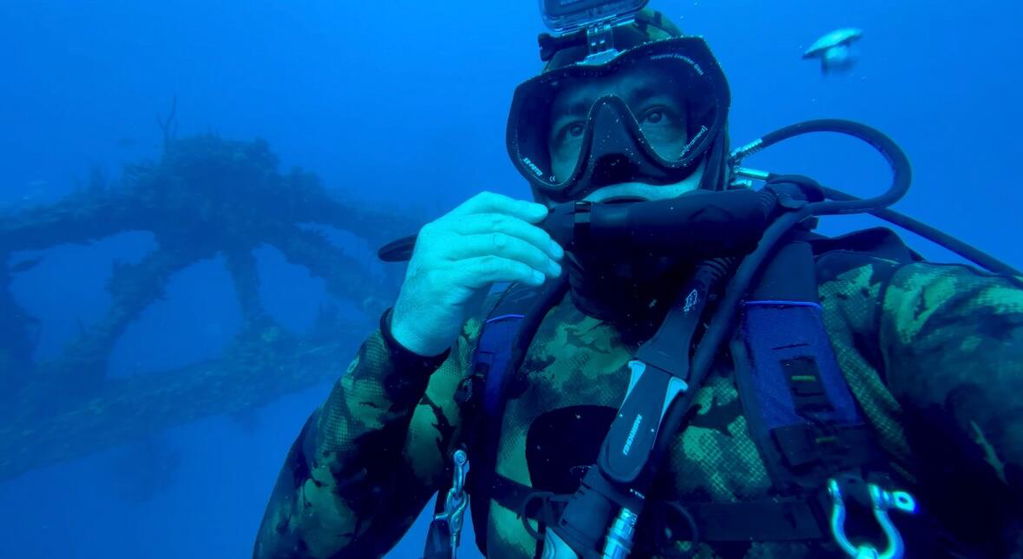
Every strong dive community starts the same way: a few people who love being in the water decide to make it a habit together. If your area does not have an active dive club, or the one nearby has gone quiet, you do not need a shop, a nonprofit, or a permit to change that. You need a small group of committed divers and a simple plan to keep everyone showing up. This guide walks you through how to start a dive club from the first meetup to a group that runs itself.
Why start a dive club
A dive club solves the two problems recreational divers run into most: finding reliable buddies and diving often enough to stay sharp. When you have a standing group, you always have someone to pair with, someone to split boat charters and gas fills with, and someone who will text you when conditions look good on a random Tuesday. Clubs also make travel cheaper. Operators and liveaboards almost always offer group rates once you can fill a block of spots, so a dozen active members can unlock trips that would be hard to justify solo.
Beyond logistics, a club keeps people diving. Newer divers who join a welcoming community log more dives, build confidence faster, and stick with the sport. That is the real payoff of putting in the early work.
Step 1: Start with a small core group
Do not try to launch with a website, a logo, and a membership fee. Start with three to five divers who will actually show up. Reach out to people you have dived with, post in local dive groups, and ask your nearest dive shop to introduce you to regulars at a similar skill level. The staff behind the counter usually know everyone in the area and are glad to point divers toward one another.
Get that core group together in person before you plan a single dive. A casual dinner or a coffee meetup is enough to gauge who is genuinely interested and what kind of diving people want to do. This small group becomes the backbone of your club, so choose for reliability and attitude over experience level.
Step 2: Pick a home base and a rhythm
Clubs live or die on consistency. Set a predictable rhythm early, such as a shore dive on the first Saturday of every month and a social meetup midweek. When the schedule is dependable, people can plan around it and attendance builds on itself.
A local dive shop makes an excellent home base. Many shops will host a club night, share their air and nitrox fill station, and help promote your events to their customers. In return, you send them engaged divers who buy gear and book classes. It is a genuine win for both sides, so it is worth having that conversation early rather than trying to do everything on your own.
Step 3: Choose how your club communicates
You do not need custom software to run a club. Most groups do fine with a single messaging channel, such as a WhatsApp or Facebook group, plus a shared calendar for events. Pick one primary channel so information does not get scattered, and keep it focused on dive planning, conditions, carpools, and buddy matching.
Assign someone to own communication from the start. Whether that is you or a co-organizer, one person should be responsible for posting the schedule, confirming who is coming, and welcoming new members. A club that answers messages quickly feels alive, and that reputation is what pulls new divers in.
Step 4: Plan your first few dives
Keep them easy and local
Your first outings should be simple shore dives or short boat trips at familiar sites. The goal is to get people in the water together, not to run an ambitious deep dive with a group that has never dived as a unit. Easy conditions let everyone focus on meeting each other and settling into a routine.
Pair buddies deliberately
Match buddy teams before you leave the parking lot, and pair newer divers with more experienced members whenever you can. A clear buddy system is the foundation of safe recreational diving, and doing it intentionally sets the tone that your club takes safety seriously without being stiff about it.
Run a simple briefing
Before each dive, hold a short briefing that covers the site, the plan, maximum depth and time, entry and exit points, and what to do if buddies get separated. Keeping this consistent means new members always know what to expect, and it makes your group look organized to anyone diving with you for the first time.
Step 5: Keep safety front and center
Nothing protects a young club like a strong safety culture. Encourage every member to dive with a surface marker buoy so boat traffic can see where your group is, especially at sites with any current or vessel activity. A reliable, high-visibility SMB like the Hollis Orange Marker Buoy with sling pouch folds down small, stows easily, and deploys fast at the surface, which makes it an easy piece for the whole group to standardize on.

It also helps to have a shared kit for group dives: a properly displayed diver-down flag so nearby boaters know divers are below, a well-stocked first aid kit, and emergency oxygen if anyone in your group is trained to use it. As members get more serious, point them toward the essentials that make group diving smoother, from clips and retractors for securing gear to dive lights for low-visibility or dusk dives. Standardizing a few basics across the club means fewer surprises at the water's edge.
Step 6: Give members a reason to keep coming back
Diving is the core, but the glue is everything around it. Mix in variety so the club stays interesting: an occasional night dive, a gear-maintenance evening, a guest talk from a local instructor, or a post-dive meal that turns a good day into a tradition. These low-effort events are often what members look forward to most.
Community service is another powerful draw. Organizing a beach or harbor cleanup dive gives your club a shared purpose, brings in eco-minded divers, and often earns local goodwill and press. Divers who feel they are part of something bigger than a dive schedule tend to stay for years.
Step 7: Grow without losing the vibe
As word spreads, protect what made the club work in the first place. Keep welcoming new members personally rather than letting them slip in unnoticed, and consider adding co-organizers so the workload does not fall on one person. Some clubs eventually formalize with modest dues to cover shared gear, group trip deposits, or event costs, but there is no rush. Plenty of thriving clubs never charge a cent.
The clubs that last are the ones that stay easy to join, safe to dive with, and genuinely fun to be around. Nail those three things and the membership takes care of itself.
Frequently asked questions
Do I need a certification or license to start a dive club?
No. Starting a dive club is an informal, community activity, so there is no special certification or license required to organize one. Members should hold the appropriate diver certifications for the dives they do, and you should always dive within the limits of your training, but the club itself does not need official credentials to exist.
How many members do you need for a dive club?
You can begin with as few as three to five committed divers. That is enough to keep buddy pairs consistent and dives on the calendar. Group travel discounts from operators and liveaboards typically open up once you can bring roughly a dozen or more divers to a trip.
How do I find members for a new dive club?
Start with divers you already know, then expand through your local dive shop, community social media groups, and cleanup or conservation events. Consistency is the best recruiting tool you have. A club that meets on a predictable schedule and answers messages quickly will steadily attract new divers.
Getting started
You do not need to have every detail figured out to begin. Gather a few divers who want to be in the water more often, set a simple recurring plan, and prioritize safety and welcome from day one. The rest grows naturally. If you are helping members build out their personal kit as the club comes together, our team at DiveCatalog is always happy to help divers find gear that fits how and where they dive.