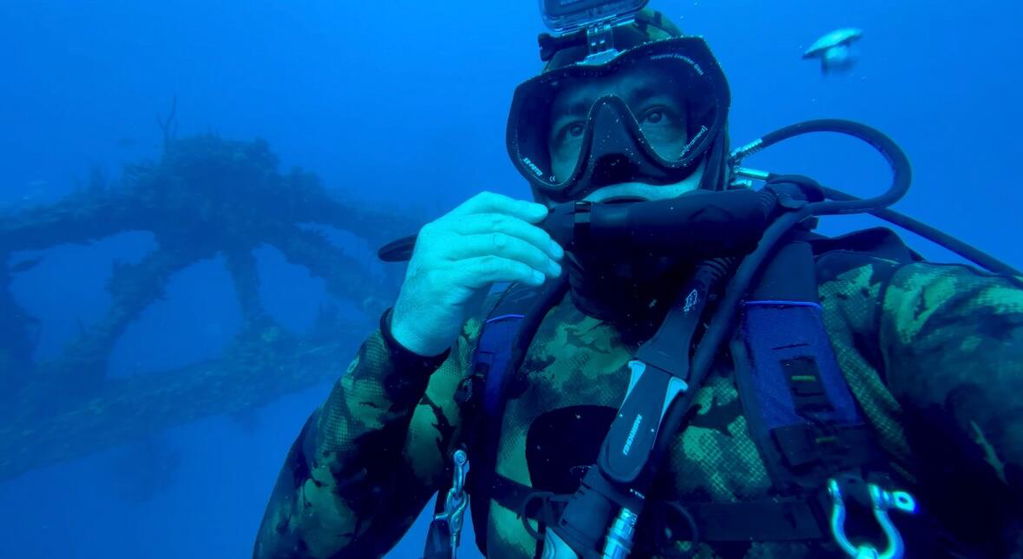
There's something special about diving with a group. The shared excitement before entering the water, the quiet signals exchanged at depth, the stories swapped over a post-dive meal — these are the moments that turn a dive trip into something you'll talk about for years.
If you're part of a dive club — or thinking about organizing a group dive trip for the first time — the planning process can feel overwhelming. Coordinating schedules, booking boats, making sure everyone has the right gear... it's a lot. But with the right approach, a group dive trip is one of the most rewarding things you can put together for your community.
Here's how to do it well.
Start with a Clear Purpose
Before you touch a booking form or send a single group text, get clear on what this trip is for. Is it a casual local dive for mixed experience levels? A dedicated skills trip for newer divers in your club? A liveaboard adventure for your more advanced members?
Knowing your purpose shapes every other decision — destination, dive site selection, the experience level you'll need each participant to have, and how much structure the trip will need.
Ask yourself:
- Who is this trip for — the whole club, or a specific group?
- What certification level should participants have at minimum?
- Is this primarily about fun, skill-building, or exploration?
- What's the budget range most members are comfortable with?
Getting alignment on these questions upfront prevents the most common group trip problems: half the group expecting a chill shallow reef dive while the other half signed up for a deep wall drift.
Pick a Destination That Works for Your Whole Group
The best destination for a group dive trip is the one most of your members can actually do — comfortably and safely. If you have a mix of Open Water and Advanced Open Water divers, choose a location with dive sites at multiple depths so everyone has appropriate options.
For Southern California clubs, local options are hard to beat for simplicity. Catalina Island offers protected kelp forest dives accessible to beginners, while more exposed sites on the backside challenge advanced divers. La Jolla Cove and other Southern California sites are also reliable group picks with good operator support.
For clubs looking further afield, Monterey Bay, the Channel Islands, and liveaboards in Baja California offer elevated experiences with manageable logistics. International club trips — particularly to the Philippines or Indonesia — are increasingly popular, though they require earlier planning and more coordination.
Set the Date Early and Get a Confirmed Headcount
Group logistics live and die by headcount. Most dive charters and liveaboards require minimum participant numbers to run, and popular operators fill up fast — especially over summer weekends.
For local day trips, aim to lock in your date at least 6–8 weeks in advance. For anything involving flights or a liveaboard, plan 3–6 months ahead. Use a simple sign-up form or group poll to gauge real interest before committing. Then collect a small, non-refundable deposit once you have confirmed participants — this one step dramatically reduces last-minute dropouts.
For most club day trips, a group of 8–15 divers is a manageable sweet spot: large enough to share charter costs meaningfully, small enough to coordinate safely on-site.
Book the Right Dive Operator
Not every charter boat or dive shop is well-suited to group bookings. When you reach out to operators, ask the right questions before you commit:
- Can the vessel comfortably accommodate your full group plus gear?
- Does the briefing process account for mixed experience levels?
- What is the weather cancellation and rescheduling policy?
- Is a divemaster included, or do you need to arrange your own?
- Are nitrox fills available for certified members?
- Do you offer group rates for club bookings?
That last question is worth asking directly — many operators offer group discounts that aren't publicly advertised. Established dive charters that regularly work with clubs are often better equipped to handle the dynamics of group dives than operators primarily set up for individual or small-party bookings.
Gear Up the Group Before You Leave
One of the most avoidable sources of trip-day stress is gear issues. Build a simple checklist and share it with your group at least two weeks before the trip. Encourage members to do a gear review at home — not on the boat ramp.
The core checklist for any group dive trip:
- Mask, fins, and wetsuit appropriate for the destination's water temperature
- BCD and regulator — serviced within the last year
- Dive computer
- Surface marker buoy (SMB) — non-negotiable for open water dives
- Dive light for caverns, kelp, or lower-visibility conditions
- Audible and visual signaling device
For gear transport, a quality dive bag makes a real difference when you're loading onto a boat with a dozen other people. The Hollis Nylon Mesh Duffel ($114.95) is a durable, wide-mouth duffel with mesh construction that lets wet gear breathe and drain between dives — exactly what you want after multiple dives on a charter. For members who prefer a more compact option, the Stahlsac B.V.I. Mesh Backpack ($55.95) is a well-built day trip choice available in several colors.


If any members are planning to upgrade their BCD before the trip, the right time to do it is weeks before departure — not the week before. Breaking in new gear at home or in a pool first prevents surprises in open water. The Scubapro Navigator Lite BCD ($699) is a lightweight, travel-friendly back-inflate that works well across a range of recreational conditions and has been a reliable choice for club divers making their first serious BCD investment.

Plan for Safety Before Anyone Gets in the Water
Safety planning is where the "group" aspect of a group dive trip becomes most important. A clear plan before entering the water prevents confusion below it.
Assign dive leaders and buddies in advance
Don't wait until you're on the boat to figure out who's diving with whom. Pair experienced divers with less experienced ones where appropriate, and designate a dive leader for each group entering the water. If your club has divemasters or instructors, involve them in this planning — their judgment is an asset even on recreational dives.
Brief the group on the specific dive plan
Even when the charter operator runs a general briefing, follow it with a club-specific briefing covering your group's plan: max depth, target bottom time, turn-around depth or time, and what to do if anyone gets separated. Keep it concise. Five minutes of clear communication dockside is worth more than troubleshooting underwater.
Know the nearest emergency resources
Before the trip, identify the nearest hyperbaric chamber for your dive site, and make sure at least two people in your group have the Divers Alert Network (DAN) emergency number saved. In Southern California, the USC Catalina Hyperbaric Chamber handles dive accident emergencies for the region. DAN membership also provides evacuation coverage that's worth having for any dive travel.
Build Community Before, During, and After
The best group dive trips don't happen in isolation — they're part of an ongoing club culture. Start building anticipation before the trip: share the dive site details, post past photos, get people talking about what they're hoping to see.
During the trip, make time for connection beyond the water. Post-dive surface intervals and mealtimes are where friendships form and where newer divers absorb knowledge from more experienced ones just by being in the room.
After the trip, do a quick debrief while it's fresh. Gather feedback, note what worked and what you'd do differently, and if the energy is there — start planning the next one. That follow-up is what turns a one-time event into an ongoing tradition.
Ready to Gear Up?
Whether you're organizing your first club trip or your fifteenth, the team at DiveCatalog.com is here to help your group show up prepared. Browse our full selection of dive gear bags, BCDs, and dive computers — or reach out directly if you have questions about what's right for your group's next adventure.