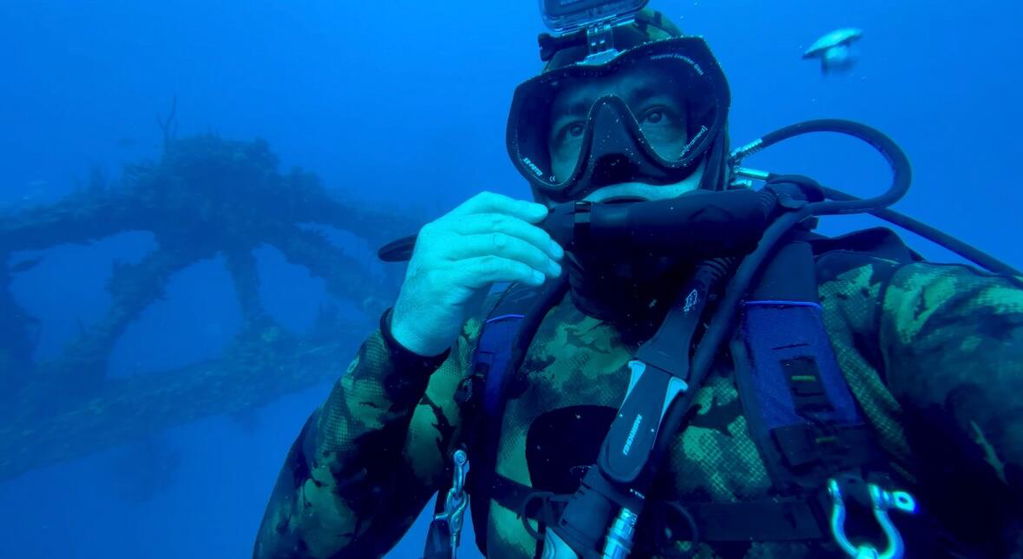
There’s something uniquely rewarding about diving with purpose—and that’s exactly what a Newport Harbor Underwater Cleanup dive offers. Beyond the thrill of exploring beneath the surface, these dives give you the opportunity to directly impact marine ecosystems by removing debris, protecting wildlife, and preserving one of Southern California’s most active coastal waterways.
At DiveCatalog.com, we believe great diving goes hand-in-hand with responsible diving. Whether you’re a newly certified diver or building experience through local dives, participating in a harbor cleanup is one of the most impactful ways to sharpen your skills while giving back to a place we all call home.
Being based right here in Irvine, California, Newport Harbor is essentially in our backyard for DiveCatalog.com—making these local cleanup dives even more meaningful to us and the community we serve. Whether you’re a newly certified diver or building experience through local dives, participating in a harbor cleanup is one of the most impactful ways to sharpen your skills while giving back to a place we all call home.
Newport Harbor presents a different environment than your typical reef or boat dive—reduced visibility, boat traffic, and submerged debris require preparation, awareness, and the right gear. In this guide, we’ll walk you through what to expect, how to prepare, and the essential equipment that will help you dive safely and effectively.
Ready to gear up for your next cleanup dive? Shop now at DiveCatalog.com

Why Participate in a Harbor Cleanup Dive?
Cleanup dives are about more than just collecting trash—they’re about becoming an active steward of the ocean.
Environmental Impact
Marine debris like fishing line, plastics, and metal fragments pose serious threats to marine life. Removing even a small amount of debris helps prevent entanglement, protects habitats, and keeps local ecosystems healthier.
Skill Building for Divers
Harbor dives introduce challenges that build real-world diving skills:
- Navigating low visibility conditions
- Maintaining buoyancy near silty bottoms
- Practicing controlled ascents in busy waterways
These experiences translate directly into stronger confidence and better performance in more advanced dive environments.
Community and Purpose
Cleanup events bring together divers of all experience levels, creating a shared sense of purpose. Working alongside other divers to protect a local dive site builds community while reinforcing responsible diving practices.
Diving in Newport Harbor isn’t your typical clear-water experience. Unique conditions require a higher level of preparation, awareness, and the right equipment.
Limited Visibility
Expect visibility to range anywhere from 3–15 feet depending on conditions. A reliable dive light becomes essential for navigation, communication, and spotting debris.
Boat Traffic Awareness
Newport Harbor stays active with recreational and commercial vessels. Strong surface signaling, proper use of a buoy or SMB, and constant situational awareness are critical for diver safety.
Debris and Hazards
Harbor environments often contain a wide range of underwater hazards, including:
- Fishing line and hooks
- Sharp metal or glass
- Heavy or partially buried objects
Proper exposure protection, gloves, and cutting tools are key to safely handling and removing debris while minimizing risk.
How to Register for a Newport Harbor Cleanup Dive
Getting involved is straightforward, and participation typically begins with signing up through the official event organizers.
Divers can register directly through the Newport Harbor Underwater Cleanup website:
https://www.newportharborunderwatercleanup.com/
Once registered, you’ll receive event details such as check-in location, dive briefing times, assigned teams, and any specific requirements for the day. Many divers participate annually, making it one of the most well-known local cleanup events in Southern California.
After registering, it’s a good idea to double-check your gear, review your dive plan, and make sure you’re comfortable diving in low-visibility harbor conditions. Proper preparation helps ensure a safe, productive, and enjoyable cleanup experience from start to finish.
Tentative Schedule of Events & What to Expect
The Newport Harbor Underwater Cleanup is a well-organized community event designed to keep divers safe, informed, and engaged throughout the day. While timing may vary slightly year to year, here’s a general breakdown of what you can expect on event day:
7:00 AM – Volunteer Check-In & Breakfast
Volunteers arrive for check-in, receive location assignments, and enjoy a hosted breakfast. This is also a great time to meet fellow divers, skippers, and event organizers before heading out.
7:30 AM – Skipper Vessel Assignments
Boat skippers report to their assigned vessels and begin final preparations for diver deployment.
8:15 AM – Mandatory Safety Meeting (Main Stage)
All volunteers attend a required safety briefing covering dive procedures, communication protocols, emergency plans, and environmental guidelines. This ensures everyone is aligned before entering the water.
9:00 AM – Deployment to Dive Sites
Dive teams head out on assigned boats, while non-diving volunteers may board the Discovery Boat to assist with surface operations and observation.
9:00 AM – 11:00 AM – Cleanup Operations
Divers begin underwater cleanup efforts, collecting debris and working in coordinated teams. Surface support monitors diver safety and assists with debris handling.
10:00 AM – 11:00 AM – Exhibitor Roundtable (Tentative)
Select exhibitors and partners host informational booths or discussions focused on marine conservation, diving safety, and environmental awareness.
11:30 AM – Group Photo
All volunteers gather for a commemorative group photo celebrating the collective impact of the cleanup effort.
11:30 AM – Raffle, Prizes & Recognitions
The event concludes with raffle drawings, sponsor giveaways, and recognition of volunteers and participating teams.
This structured schedule helps ensure a safe, organized, and impactful cleanup experience while giving divers a chance to connect, learn, and contribute to ocean conservation in a meaningful way.
How to Prepare for a Cleanup Dive
Preparation is key to a safe and successful harbor cleanup dive. Taking the time to plan ahead ensures a smoother experience both above and below the surface.
Dive Planning
- Review entry and exit points
- Understand current patterns
- Coordinate with event organizers
Dive Briefing
Most organized cleanups will include:
- Assigned buddy teams
- Collection procedures
- Emergency protocols
Gear Check
Double-check:
- Cutting tools are accessible
- SMB or buoy is ready
-
Gloves and exposure protection are secure
Essential Gear for a Newport Harbor Cleanup Dive
Having the right gear not only makes your dive safer—it makes it more productive.

Hollis 125 lb Lift Bag is designed for controlled lifting of heavy underwater debris during cleanup and recovery dives. Durable nylon construction and bright orange visibility make it easy to deploy, track, and recover in low-visibility conditions.

Oceanic MaxView Wrist Compass delivers a large, easy-to-read display for confident navigation underwater, even in low visibility conditions. Reliable and simple to use, it helps divers maintain accurate headings during boat dives, cleanup dives, and training scenarios.
Best Practices Underwater
Maintain Neutral Buoyancy
Avoid stirring up silt, which can quickly reduce visibility for both you and your buddy. Controlled buoyancy helps protect the environment while keeping conditions manageable.
Work Methodically
Focus on small areas at a time rather than trying to cover too much ground. A slow, deliberate approach is more effective and helps ensure nothing important gets missed.
Know Your Limits
If an object is too large, heavy, or hazardous, mark the location and notify surface support. Attempting to remove difficult debris without proper support can create unnecessary risk.
Stay Aware
Keep track of your buddy, depth, and air supply at all times. Cleanup dives can be task-focused, making it easy to lose awareness if you’re not actively checking in.
Frequently Asked Questions
-
Do I need special certification for a harbor cleanup dive?
- No special certification is required, but you should be comfortable with buoyancy control and diving in low visibility conditions.
- Many divers choose to take additional training through programs like the PADI AWARE courses and the Dive Against Debris™ program. These initiatives are designed specifically to help divers better understand marine conservation, identify types of ocean debris, and safely conduct underwater cleanups while contributing valuable data to global ocean protection efforts. They’re a great way to build confidence, improve awareness underwater, and turn recreational diving into more impactful environmental action.
-
What kind of trash will I find?
- Common items include fishing line, plastic bags, bottles, cans, and occasionally larger debris like tires or metal objects.
- Occasionally, more unexpected—and sometimes valuable—items show up during cleanup dives. Divers have reported finding cell phones, watches, hand-drawn artwork, skateboards, bike parts, and even sections of boat hardware. While not common, these discoveries are part of what makes harbor cleanups unpredictable and interesting, adding another layer of awareness to every dive.
-
Is it safe for beginners to participate in a harbor cleanup dive?
- Yes—when properly organized and with the right gear. Always follow dive briefings and use protective equipment. Many cleanup events welcome newer divers, but it’s important to stay within your comfort level and dive with experienced buddies or guides.
-
Is there any special dive gear I should bring or anything for after my dive?
- Bring a mesh bag for debris collection to safely carry items you find underwater. A lift bag can also be helpful for safely managing or raising heavier objects when conditions and training allow.
- Hydration for after the dive is important, especially after a task-focused cleanup. A change of clothes is also recommended so you can stay comfortable once you’re out of your wetsuit or drysuit.
-
Is there anything special I should do to clean my gear afterwards?
- Yes—post-dive gear care is especially important after a harbor cleanup dive due to potential exposure to silt, debris, and contaminated water.
- Rinse all equipment thoroughly with fresh water as soon as possible, paying close attention to moving parts like buckles, inflators, and dump valves. Soak your regulator in clean water (without pressing the purge button) and gently agitate it to remove any residue. Wetsuits, gloves, and boots should be rinsed inside and out, then hung to dry in a shaded, well-ventilated area.
- For added protection, consider using a mild disinfecting rinse or gear-specific cleaner, especially after cleanup dives. This helps preserve materials and ensures your equipment stays in top condition for your next dive.
Conclusion
A Newport Harbor cleanup dive is more than just another day underwater—it’s an opportunity to make a real difference while becoming a more capable, confident diver. From improving your buoyancy in challenging conditions to learning how to safely handle debris, these dives offer both purpose and progression.
At DiveCatalog.com, we’re proud to support divers who care about protecting the environments they explore. Being based in Irvine, California, Newport Harbor sits right in our backyard, making these local cleanup efforts especially meaningful to our team and the community we serve.
With the right gear and preparation, you can dive safely, effectively, and responsibly—helping keep our local waters clean for future generations.
Make your next dive count—shop cleanup-ready gear now at DiveCatalog.com.