Mares 26XR with HR Full TEK Regulator Set
In stock — ships from Irvine, CA
This item is currently on backorder. Order now to reserve yours, and we will ship it as soon as it is back in stock.
Mares 26XR with HR Full TEK Regulator Set is backordered and will ship as soon as it is back in stock.
Pickup available at In Store
Usually ready in 2 hours


-
DiveCatalog.com Silicone Frameless Dive Mask
$59.95$6.00
1 -
DiveCatalog.com Retro Oval Dive Mask Without Nose Pocket Compensator
$44.95$4.50
1 -
DiveCatalog.com Classic Oval Dive Mask Silicone
$44.95$4.50
1 -
DiveCatalog.com Metal Coil Lanyard with Snap Clips
$39.95$4.00
1 -
DiveCatalog.com Junior Rubber Oval Dive Mask (15% smaller)
$34.95$3.50
1


-
DiveCatalog.com Compact Dive Knife
$34.95$3.50
1 -
DiveCatalog.com Auto Lock Retractor 90cm - Black
$34.95$3.50
1 -
DiveCatalog.com Dive Retractor
$34.95$3.50
1 -
DiveCatalog Dive Essentials - Auto-Rebound Style Retractor
$39.95$4.00
1 -
DiveCatalog Quick Release Coil Lanyard with Buckle Scuba Essentials
$29.95$3.00
1 -
DiveCatalog.com Air Gun - Blue
$27.95$2.80
1 -
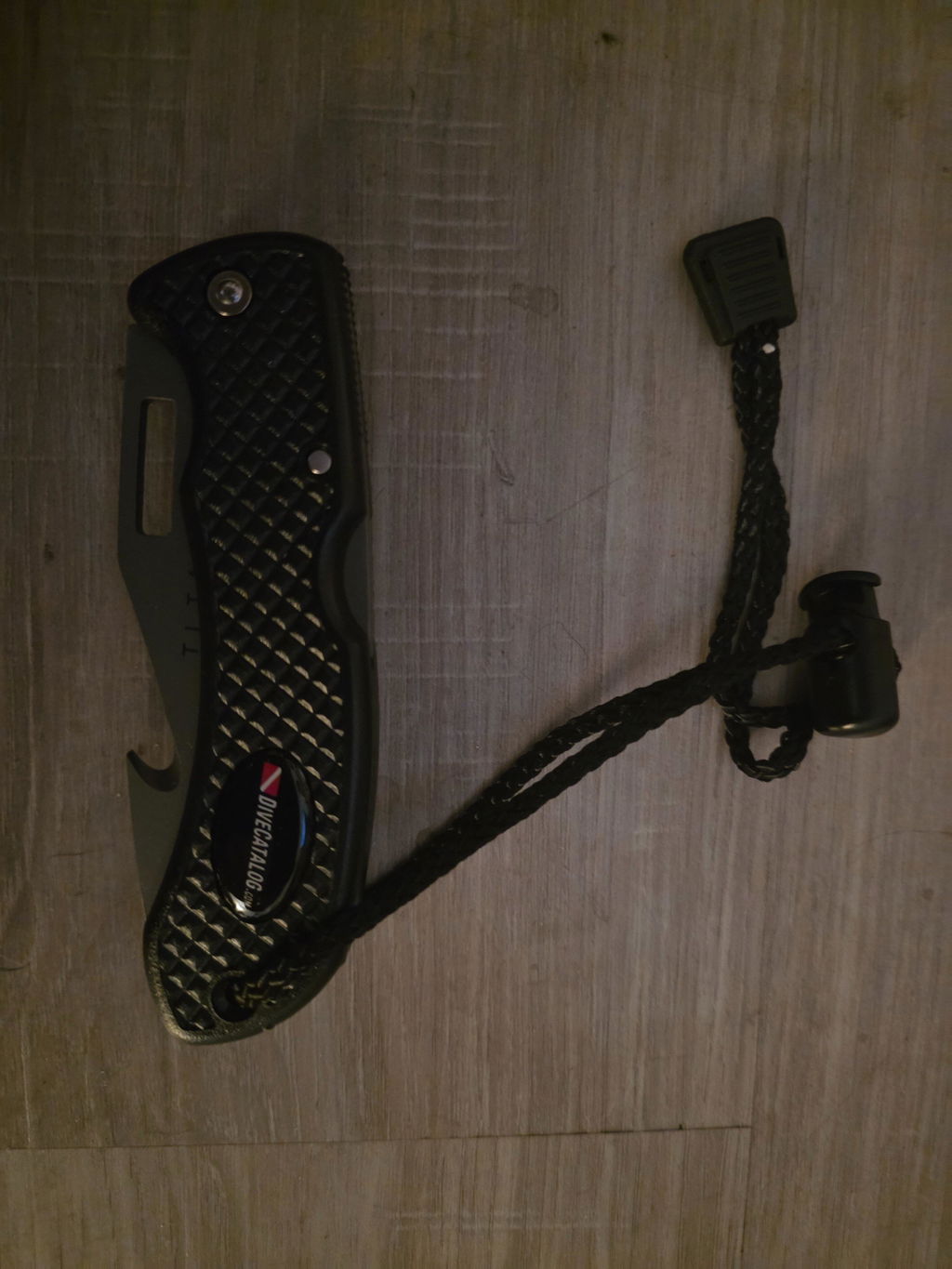
DiveCatalog.com Folding Dive Knife
$32.95$3.30
1 -
DiveCatalog.com Diving Double Layer Slate Palm Size (5x7.25") with Pencil
$26.95$2.70
1 -
DiveCatalog.com Line Cutter
$24.95$2.50
1 -
DiveCatalog.com Semi-Dry Snorkel
$23.95$2.40
1 -
DiveCatalog.com Nylon Weight Belt
$22.95$2.30
1 -
DiveCatalog.com Finger Reel with Bolt Snap
$26.95$2.70
1 -
Nocturnal Lights Adjustable Goodman Handle with 1 / 4 Mounting Points HM.GM
$47.99$4.80
1 -
Nocturnal Lights Triple Ball Joint Clamp standard 1 balls BJCLAMP.TRIPLE
$27.99$2.80
1 -
Nocturnal Lights Ball Joint Clamp fits all standard 1 balls BJCLAMP.DOUBLE
$23.99$2.40
1 -
Nocturnal Lights T-base Connector for Ikelite quick release handles TBASE.IKEQR
$23.99$2.40
1 -
Nocturnal Lights YS Arm Adapter for M700 Lights ADP.M7YS
$19.99$2.00
1 -
Nocturnal Lights Ball Joint Adapter for Underwater Ball Joint Arm Strobe and Lighting Systems
$19.99$2.00
1 -
Nocturnal Lights 45 Degree Ball Joint Adapter with T-base Slot BJADAPTER.TBASE45
$18.99$1.90
1 -
Nocturnal Lights 90 Degree Ball Joint Adapter with T-base Slot BJADAPTER.TBASE90
$15.99$1.60
1


Payment & Security
Payment methods
Your payment information is processed securely. We do not store credit card details nor have access to your credit card information.
Product Information
The Mares 26XR with HR Full Tek Set is a complete technical-diving regulator setup pairing a sealed, cold-water-rated 26XR first stage with an HR second stage, built for divers who configure their rig for backmount, stage, or sidemount diving.
Who it is for
This set is built for technical divers who need a first stage rated for extreme cold water and a second stage with adjustable breathing comfort, whether the rig is set up as a single backmount cylinder, a stage bottle, or a sidemount configuration. The 26XR first stage uses Auto Sealing Technology (AST) to keep internal components dry, and the HR second stage's Pneumatically Assisted Design (PAD) and Vortex Assisted Design (VAD) are intended to support high air flow at any depth.
Key details
- 26XR first stage: sealed, extreme-cold-water design with a polished chrome metal body
- 5 low-pressure ports: 4 radial plus 1 vertical (3/8 in UNF)
- 2 symmetrical high-pressure ports (7/16 in UNF), pre-oriented for hose positioning
- G5/8 connection, 300 bar (DIN)
- First stage weight: 683 g / 24.0 oz (DIN); 680 g / 23.9 oz (NX)
- HR second stage body: ultralight technopolymer, 220 g / 7.7 oz
- Oversized purge button designed to work with thick gloves
- Rubber hoses: 60 cm / 24 in and 210 cm / 7 ft, set up for a primary donate configuration
Compatibility and sizing
The 26XR first stage is adaptable to backmount, stage, and sidemount configurations, and the HR second stage is likewise marketed by Mares for stage, sidemount, or backmount-configuration use. The set uses a G5/8, 300 bar DIN connection.
DiveCatalog.com is an authorized Mares dealer and a dive shop in Irvine, California, open since 2003. Call 888-701-4017 or start a chat if you have questions about fit, hose configuration, or compatibility with your current setup.
- Adjustable Breathing Comfort system: lets the diver control inhalation effort on the HR second stage.
- VAD system: curved bypass design intended for natural, high air flow at any depth.
- PAD, Pneumatically Assisted Design: aids comfort during inhalation.
- Ultralight technopolymer case: second-stage body material.
- Oversized purge button: easy to use, including with thick gloves.
- Rubber LP hose: resistant to cuts, abrasions, bursting, and UV.
- Natural DFC on all LP ports: supports high air flow at any depth on the 26XR first stage.
- TBP Dry Kit: environmentally sealed for performance in cold water.
- AST, Auto Sealing Technology: keeps the first stage dry.
- Polished chrome metal body: first-stage construction.
- Port layout: 4 radial plus 1 vertical LP port and 2 symmetrical, pre-oriented HP ports.
- Configuration flexibility: suited to backmount, stage, and sidemount setups.
| Brand | Mares |
| Model | 26XR with HR second stage, Full TEK set |
| First Stage | 26XR, sealed, extreme cold water |
| First Stage Material | Polished chrome metal body |
| Second Stage Material | Ultralight technopolymer |
| HP Ports | 2 (7/16 in UNF) |
| LP Ports | 4 radial plus 1 vertical (3/8 in UNF) |
| Connection | G5/8, 300 bar (DIN) |
| First Stage Weight | 683 g / 24.0 oz (DIN); 680 g / 23.9 oz (NX) |
| Second Stage Weight | 220 g / 7.7 oz |
| Hose | Rubber, 60 cm / 24 in and 210 cm / 7 ft |
| Configuration Compatibility | Backmount, stage, sidemount |
| Color | Black |
⚠️ WARNING: This product contains chemicals known to the State of California to cause cancer, birth defects, or other reproductive harm. For more information, visit www.P65Warnings.ca.gov.
Frequently Asked Questions
How often does a scuba regulator need servicing?
Follow the interval in your regulator's manual, since manufacturers commonly specify an annual inspection or a set number of dives and many warranties depend on it. A regulator is life-support equipment, so service belongs with a factory-trained technician rather than being attempted at home. Have it looked at sooner than scheduled if you notice increased breathing effort, free-flow, bubbles, or water in the second stage.
How do I rinse and care for a regulator after diving?
Make sure the dust cap is dry and firmly seated over the first-stage inlet before the regulator goes anywhere near water, because water inside the first stage is the leading cause of internal corrosion. Rinse in fresh water without pressing the purge button, since purging while depressurized can draw water back into the second stage. Shake out the water and hang it to dry with the hoses in wide, gentle loops rather than tight bends.
Can I fly with a scuba regulator?
Regulators travel well and are usually best carried in hand luggage where they will not be crushed or lost. A regulator holds no gas of its own, so there is nothing inherently problematic about it on an aircraft, though the airline and security screeners always have the final say. Pack it dry with the dust cap in place, in a padded regulator bag or wrapped in soft gear.
Can I use my regulator with nitrox?
Many modern regulators are supplied as suitable for nitrox mixes up to 40 percent oxygen, which is the widely used recreational industry standard, while anything above that requires dedicated oxygen-clean equipment and procedures. Confirm what your specific regulator's manual states, and follow your nitrox training and your fill station's requirements. Never assume a regulator is oxygen-service clean simply because it looks clean or is new.
What is the difference between DIN and yoke regulators?
A yoke (A-clamp) fitting clamps over the tank valve and is the most common connection across much of the recreational world, while a DIN fitting screws into the valve and is standard in much of Europe and in technical diving. DIN captures the o-ring inside the threads, which many divers consider more secure, but yoke is often what rental cylinders provide. Adapters exist in both directions, so check what is used where you dive before deciding.
What is the octopus regulator for?
The octopus is your backup second stage, carried so you can share air with a buddy who is out of gas, or breathe from it yourself if your primary fails or free-flows. It is normally on a longer, brightly colored hose so it is easy to find and hand over under stress. Secure it in the triangle between your chin and the bottom of your rib cage so it is instantly accessible and not dragging through sand or coral.
How should I store a regulator between dive trips?
Store it fully dry, out of sunlight, with the dust cap in place and the hoses in wide loops rather than tightly coiled. Avoid hanging it by the second stages for long periods, which stresses the hose fittings; laying it flat in a padded bag or hanging it by the first stage is kinder. If it has sat unused for a long stretch, have it checked before your next trip rather than assuming it is ready to dive.
Can the Mares 26XR-HR Full Tek Set be used for sidemount diving?
Yes. Mares markets both the 26XR first stage and the HR second stage for backmount, stage, and sidemount configurations.
What hose lengths come with the Mares 26XR-HR set?
The set includes rubber hoses in 60 cm / 24 in and 210 cm / 7 ft lengths, arranged for a primary donate configuration common in technical and backmount diving setups.
How many ports does the 26XR first stage have?
The 26XR first stage has 5 low-pressure ports, arranged as 4 radial plus 1 vertical (3/8 in UNF), plus 2 symmetrical, pre-oriented high-pressure ports (7/16 in UNF) for flexible hose routing.
Is the Mares 26XR first stage rated for cold water diving?
Yes. The 26XR first stage is a sealed design built for extreme cold water, using Auto Sealing Technology (AST) and a TBP Dry Kit to keep internal components dry and maintain performance in cold conditions.