


Scubapro Jet w/ Spring Heel Strap Scuba Diving Fin
In stock — ships from Irvine, CA
This item is currently on backorder. Order now to reserve yours, and we will ship it as soon as it is back in stock.
Scubapro Jet w/ Spring Heel Strap Scuba Diving Fin - Black / M (Medium) is backordered and will ship as soon as it is back in stock.
Pickup currently unavailable at 23D


Payment & Security
Payment methods
Your payment information is processed securely. We do not store credit card details nor have access to your credit card information.
Save with Open Box or Used Purchase

Used Scubapro Jet with Spring Heel Strap
Sale priceFrom $143.95 Regular price $217.00Unit price
Used Scubapro Jet w/ Spring Heel Strap Scuba Diving Fin
Sale priceFrom $173.60 Regular price $217.00Unit price


Product Information
The SCUBAPRO JET FIN with Spring Heel Strap is a long-standing standard for power and durability in scuba diving gear. Its rubber blade and robust blade design have made it a trusted choice for tech divers, deep divers, military divers, commercial divers, dive instructors, and recreational divers. The open-heel blade design fits with standard dive boots and is compatible with most open-heel fin pockets.
In underwater conditions, the Jet FIN emphasizes efficiency and reliability. Its vented design decreases drag on the up stroke and enhances thrust on the down stroke, improving propulsion in scuba and diving scenarios. The fin is negatively buoyant, contributing to stable underwater performance at depth. Weighing 5.25 lb (2.38 kg), it uses a stainless steel spring heel strap, with fit options including adjustable rubber heel strap or self-adjusting stainless steel spring heel strap. Available in a wide range of colors to match gear sets.
- Fin Type: Blade, Open Heel
- Material: Rubber
- Weight: 5.25 lb | 2.38 kg
- Heel Strap Type: Stainless Steel Spring
- Activity: Technical
- Buoyancy: Negative
- Durability: Rubber construction is known for its durability, promising a lifetime of use.
- Performance: Vented design decreases drag on the up stroke and enhances thrust on the down stroke.
- Fit Options: Adjustable rubber heel strap or self-adjusting stainless steel spring heel strap.
- Colors: Wide range of colors
| Fin Type | Blade, Open Heel |
| Material | Rubber |
| Weight | 5.25 lb | 2.38 kg |
| Heel Strap Type | Stainless Steel Spring |
| Activity | Technical |
| Buoyancy | Negative |
⚠️ WARNING: This product contains chemicals known to the State of California to cause cancer, birth defects, or other reproductive harm. For more information, visit www.P65Warnings.ca.gov.
Frequently Asked Questions
Why are ScubaPro Jet Fins still so popular after 50 years?
The vented rubber design that made the Jet Fin famous is still the reason divers buy it: the vents decrease drag on the upstroke and boost thrust on the downstroke, and the 100% rubber construction is nearly indestructible — ScubaPro talks about a lifetime of use, and plenty of Jet Fins in service are decades old. That is why they remain the standard for technical, military, commercial, and cold-water divers.
What size ScubaPro Jet Fins should I get?
Jet Fins are designed to be worn with dive boots, and ScubaPro's size chart sizes them by boot thickness — for example, a diver with a US men's 9 / EU 42 foot takes a Medium with 3mm boots but a Large with 5mm or drysuit boots. They will feel big on a bare foot; that is by design. Pick your size based on the boots you actually dive, and if you are between sizes, contact us with your foot size and boot type.
Do ScubaPro Jet Fins float or sink?
They sink — ScubaPro officially rates the Jet Fin's buoyancy as negative. Many drysuit and technical divers actually prefer that, because negatively buoyant fins help counteract floaty feet and keep your trim flat. If you want a travel-light fin that floats, look at ScubaPro's GO series or the Seawing Supernova instead.
What do the spring heel straps on Jet Fins do, and how heavy are they?
This version comes with self-adjusting stainless steel spring straps — no buckles to fiddle with or rubber straps to snap; you just pull the heel spring on and it stays put with even tension. Weight is part of the Jet Fin deal: listed weights run from about 5.3 lbs per pair in Medium up to about 7.1 lbs in XL, which is why they are a favorite for local and cold-water diving more than for airline travel.
What is the difference between open-heel and full-foot fins?
Open-heel fins have an adjustable heel strap and are worn with dive boots, which protect your feet on shore entries and add warmth. Full-foot fins slip on like a shoe against bare skin or a thin sock, and are typically lighter and easier to pack. Most scuba divers choose open-heel fins with boots, while full-foot fins suit warm water, snorkeling, and pool use.
How should scuba fins fit?
Open-heel fins should be sized around the boots you will actually wear, snug with the strap set so your heel stays seated and your foot does not slide forward in the pocket. Full-foot fins should fit like a firm shoe, with no heel lift, no pinched toes, and no gap that lets water pump in and out. Too loose causes heel blisters and lost fins in current, and too tight causes foot cramps.
Should I buy dive boots before fins?
Choose your boots first and size open-heel fins around them, because sole thickness changes the foot-pocket size you need. A thin warm-water boot and a thick cold-water boot with a rugged sole can easily be a fin size apart. If you already own fins, bring them along when you buy boots so you can check the combination.
Are spring straps worth it?
Spring straps replace the adjustable rubber strap with a stainless spring that stretches on and off, so there is nothing to buckle with cold or gloved hands and no rubber strap to perish and snap mid-dive. They hold constant tension, which many divers find more comfortable and consistent. They are sized rather than adjustable, so match the length to your foot pocket and the boots you dive.
What are the best fins for travel?
For travel, length and weight matter most, so shorter blades and travel-specific open-heel or full-foot models pack more easily and save baggage allowance. Some fins have removable blades or compact foot pockets designed for luggage. Pack fins along the outside walls of your bag, where they also act as protection for softer gear.
What is the difference between paddle and split fins?
Paddle fins use a solid blade that transfers power directly, which many divers prefer for precision, control in current, and non-flutter kicks such as the frog kick. Split fins have a slit down the blade that lets water pass through, which generally makes flutter kicking easier on the legs but gives up some control and works less well with other kick styles. Neither is inherently better, so let your kick style, leg strength, and conditions decide, and try both if you get the chance.
How do I care for dive fins?
Rinse them in fresh water after each dive day, paying attention to buckles, springs, and strap channels where salt collects, and dry them out of direct sunlight. Store them flat or hanging from the foot pocket rather than standing on the blade tips, which can take a permanent bend. Check straps, buckles, and any screws before every trip, since a failed buckle is the most common fin problem.
Are ScubaPro Jet Fins good for travel?
Not really — they are a local-diving and cold-water fin. Listed weights run from about 5.3 lbs per pair in Medium up to about 7.1 lbs in XL, which eats a big chunk of a checked-bag allowance, and they sink rather than float. If you want a fin for flying, ScubaPro's GO series is built for it at 2.2–2.6 lbs per pair with a Piggy Back stacking system for packing.
ScubaPro Jet Fins vs Apeks RK3: how do they compare?
They are the two classic short-blade rubber fins, and both come with stainless spring straps as standard. The Jet Fin is vented 100% rubber, negatively buoyant, and sized against ScubaPro's boot-thickness chart. The Apeks RK3 is a thermoplastic rubber fin with a short, wide vented blade and an oversized foot pocket in Small, Medium, Large and Super — Apeks deliberately publishes no shoe-size chart because the right size depends on your boots, and the stiffer RK3 HD version is the negatively buoyant one aimed at wetsuit divers. Either way, size on the boots you actually dive — tell us what you wear and we will sort it.
Can I use ScubaPro Jet Fins for snorkeling?
They are a poor match for snorkeling. Jet Fins are designed to be worn over dive boots, they are heavy at roughly 5.3–7.1 lbs per pair, and ScubaPro rates them negatively buoyant — so they sink if you set them down and they are a lot of fin to kick at the surface. For snorkeling, look at ScubaPro's GO Travel (bare-foot fit, light, floats) or the Seawing Supernova.
Very wonderful fins. Very happy with the store.
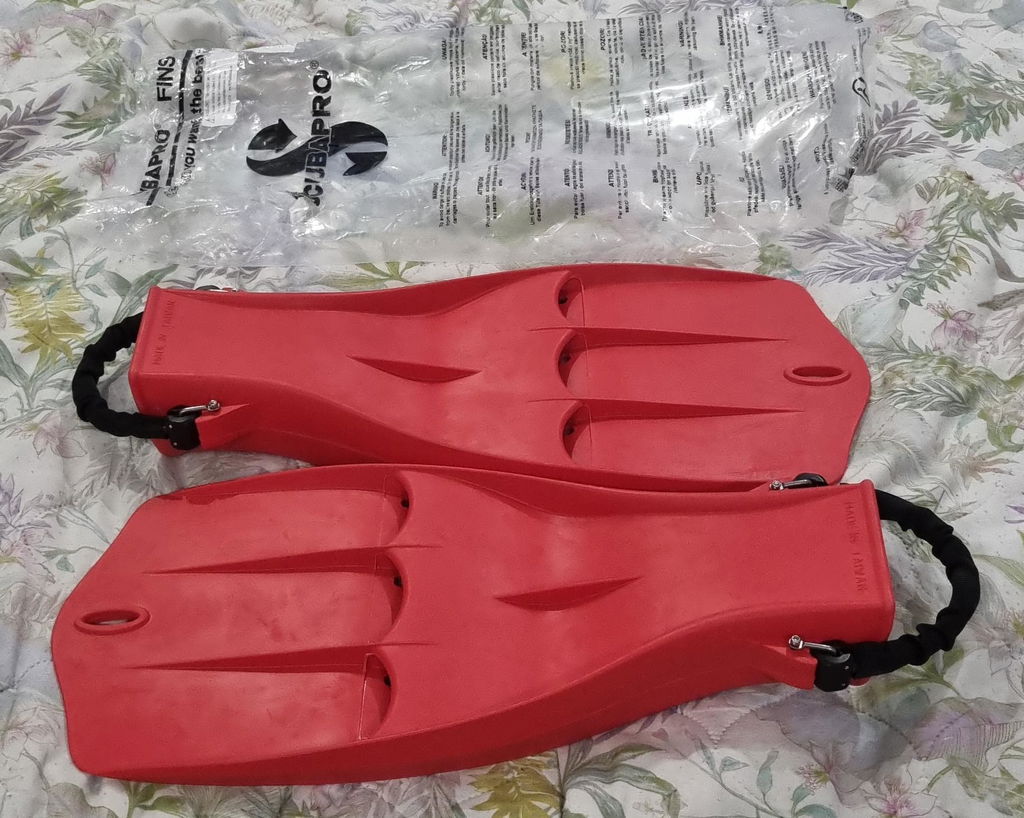
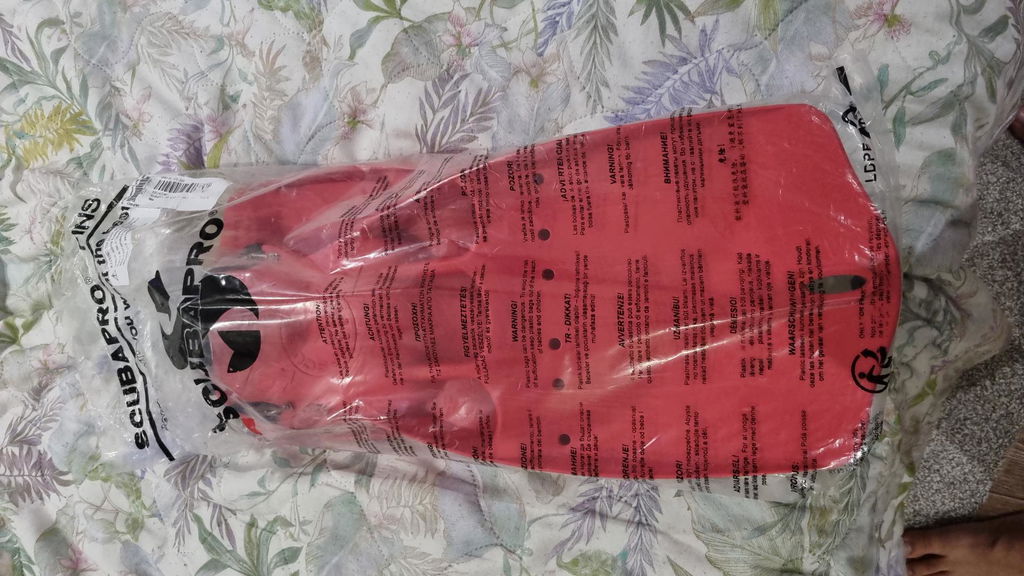
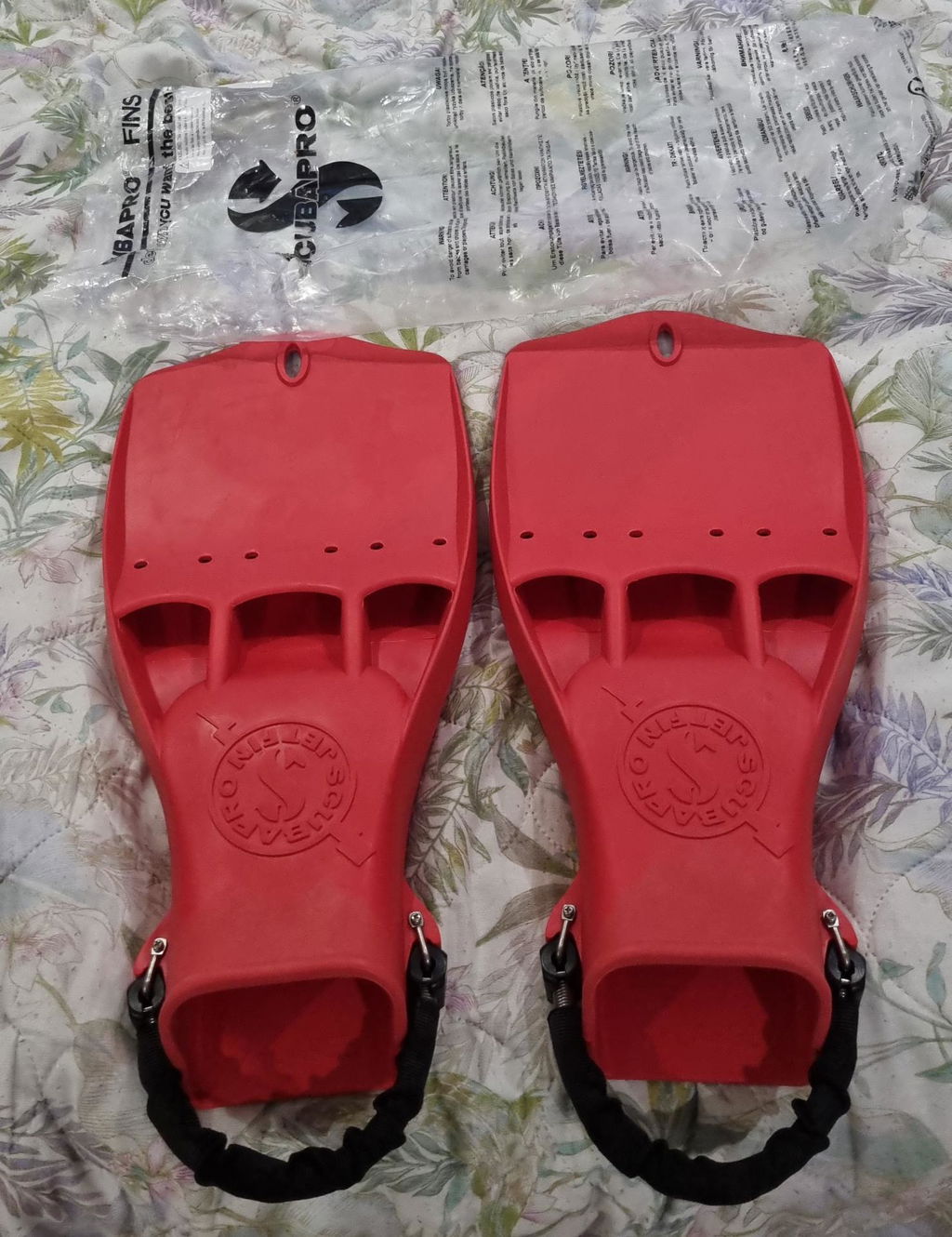
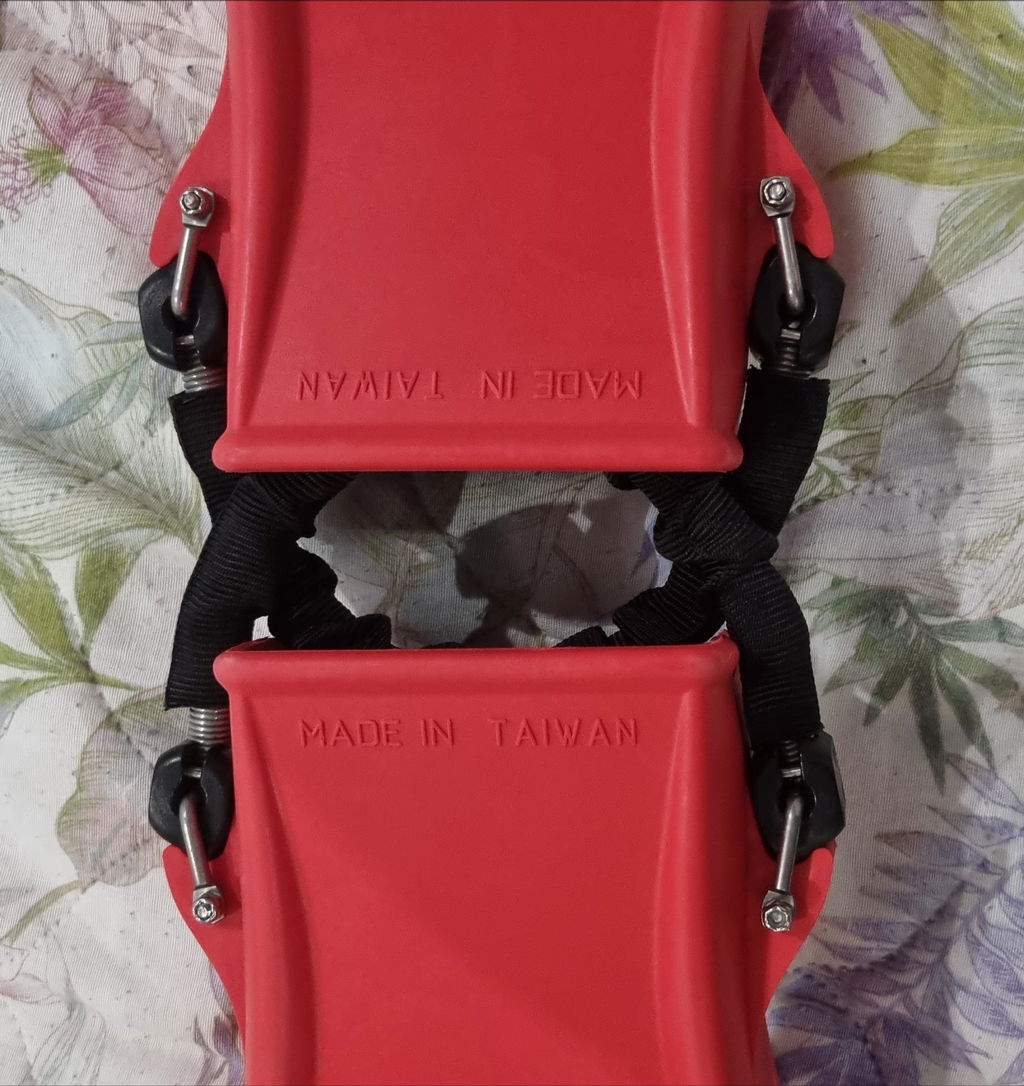
Very good!!!
Ordered the 2XL but still a tight fit to get over my size 11 drysuit boots. Do I need to get larger springs?
Hi,
Nothing is missing from the box itself and the orignal box comes without the USB. This box has no more than 5 dives on it and is considered new (looks). If you have any other questions on this please let me know and I can help you through this process!
Sincerely,
Emily and the DiveCatalog team!
