


Get up to 10% cashback
with our rewards program


-
-
-
-
-
- Sale
-
-
-


-


Hollis
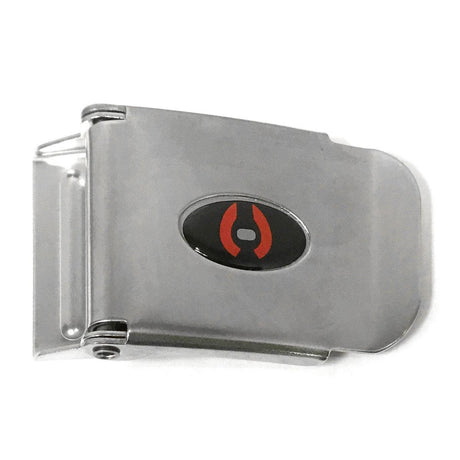
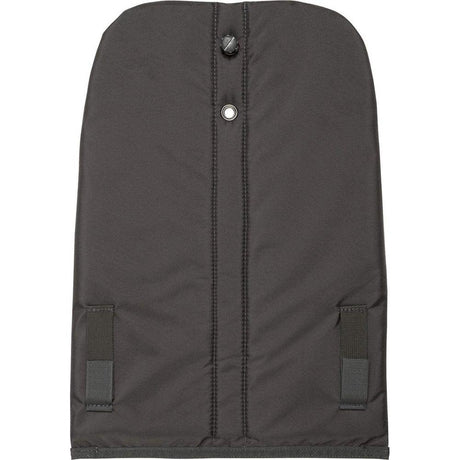
Hollis Single Tank Adapter w/ Bolts and Nuts V2 BCD Accessory
Regular price $89.95Unit price-

-




Technical Diving
Technical Diving Gear — Equipment for Diving Beyond Recreational Limits
Technical diving begins where recreational diving stops. Past roughly 40 metres, past the no-decompression limit, or past the point where a direct ascent to the surface is available, the assumptions recreational equipment is built around stop holding. You need more than one gas. You need more than one of everything critical. You need a rig that holds you horizontal so you can move through a cave or wreck without destroying the visibility behind you, and you need instrumentation that works when the electronics fail.
That's what this equipment is for. Redundant breathing systems, multiple cylinders, mixed gases like nitrox, trimix, and heliox to manage narcosis and oxygen exposure at depth, backplate-and-wing systems built for trim rather than comfort at the surface, and the reels, lights, cutters, and markers that turn a dive plan into something you can actually execute. Technical diving also demands training, experience, and meticulous planning — the gear supports that discipline, it doesn't replace it.
At DiveCatalog.com, we carry technical diving equipment from Apeks, Scubapro S-TEK, Halcyon, Hollis, Dive Rite, OMS, Suunto, Shearwater, BigBlue, Mares XR, and Zeagle as an authorized dealer for every brand. Browse by category below.
Shop Technical Diving by Category
Buoyancy and Harness Systems
Backplate-and-wing systems place buoyancy behind the diver rather than around the torso, holding the flat horizontal trim that silt-free kicking depends on. Every component sizes and replaces independently.
- Technical BCDs — complete systems, wings, harnesses, and backplates
- Wings — donut and horseshoe bladders in single and doubles lift capacities
- Backplates — steel for ballast, aluminium for travel
- Harnesses — continuous webbing and comfort-padded systems
- Sidemount — for restrictions a backmounted doubles set won't pass
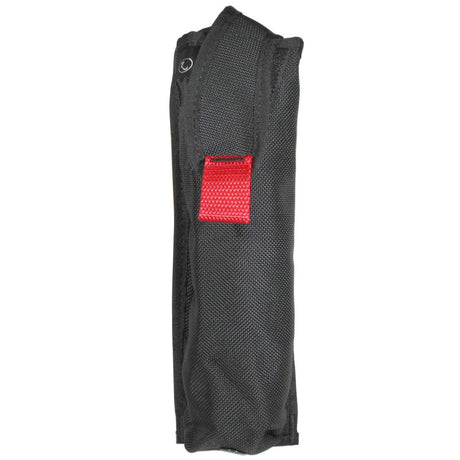
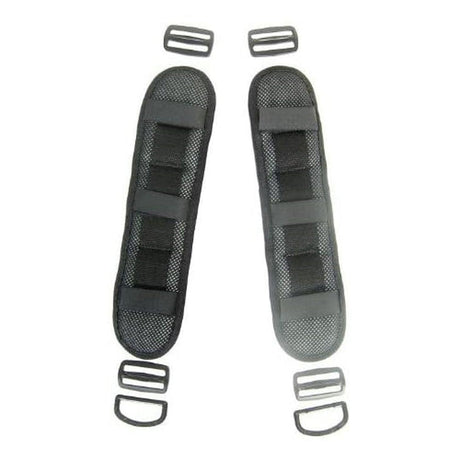
- BCD Technical Accessories — STAs, trim weights, thigh pockets, butt plates, and pad kits
Regulators
Environmentally sealed first stages for cold water, oxygen-clean regulators for decompression gas, and purpose-configured sidemount and doubles sets with correct hose routing out of the box.
- Technical Regulators — sealed first stages, long-hose sets, sidemount and doubles packages
- Cold Water Regulators — the broader cold-water range
Dive Computers and Instrumentation
Multi-gas computers that track switches at planned depths and calculate genuine decompression obligations, plus the analog instrumentation that keeps working when a battery doesn't.
- Technical Dive Computers — trimix, CCR, and multi-gas capable
- Technical Gauges — pressure and depth instrumentation
- Technical Pressure Gauges — oxygen-clean SPGs and short-hose configurations
- Technical Compasses — analog navigation that needs no power
Propulsion
Negatively buoyant, stiff-bladed fins that counteract buoyant drysuit legs and transmit the precise pulses of a frog kick.
- Technical Fins — drysuit boot pockets, spring straps, negative buoyancy
Lighting
Narrow-beam primaries that penetrate particulate rather than illuminating it, plus the backups that redundancy standards require.
- Technical Dive Lights — primaries, backups, Goodman handles, and combo packs
Complete Packages
- Technical Diving Packages — matched multi-component systems
Essential Technical Accessories
The small items that technical dive plans actually depend on, all stocked in this collection:
- Reels and spools — primary reels for running line, finger reels and spinner spools for jumps, gaps, and SMB deployment. From Apeks, Scubapro S-TEK, Zeagle, and DiveCatalog.com.
- Surface marker buoys and DSMBs — closed-circuit and open-bottom markers for signalling position from a decompression stop, including SMB-and-spool combos.
- Cutting tools — titanium line cutters and shears for entanglement, mounted where they can be reached with either hand.
- Bolt snaps, clips, and retractors — stainless and swivel bolt snaps for stage bottles, lights, and instrumentation; book screws for harness assembly.
- Trim weights and weight systems — for fine-tuning balance once the major ballast is set by plate and cylinders.
- Low-volume masks — frameless designs that clear fast and pack small as a backup.
Building a Technical Setup
Most divers moving into technical diving build in roughly this order:
- Buoyancy first. The backplate, wing, and harness define your trim and everything else mounts to them. Get this configured and dialled before adding complexity.
- Regulators matched to configuration. Sidemount and doubles need correct hose lengths from the start — converting a single-tank set later means sourcing hoses and adapters piecemeal.
- Instrumentation and redundancy. A multi-gas computer, plus analog backup that fails differently from your primary.
- Lights to the three-light standard. One primary and two backups, each independently capable of getting you out.
- Fins, reels, markers, and cutting tools. The pieces that make a specific dive plan executable.
Train first, then buy to the configuration your training specifies. Technical instructors generally have firm views on rig configuration, and buying ahead of a course often means buying twice.
Why Buy Technical Diving Gear from DiveCatalog.com?
- Authorized dealer across every technical brand we carry — genuine products, full manufacturer warranty
- Complete range — buoyancy, regulators, instrumentation, lighting, propulsion, and accessories in one place
- Expert configuration advice — our team can help you spec lift capacity, hose lengths, plate material, and gas configuration
- Fast shipping — in-stock items ship within one business day
- Financing available — for complete technical systems
- Rewards program — earn points on every purchase
Frequently Asked Questions
What actually counts as technical diving?
Broadly, any diving that exceeds recreational limits in a way that removes the option of a direct ascent to the surface. In practice that means decompression diving, diving deeper than roughly 40 metres, diving in overhead environments like caves and wreck interiors, and diving with gas mixes other than air or standard nitrox. Each of those requires specific training and equipment.
What training do I need before buying technical gear?
Technical certification is sequential — typically advanced nitrox and decompression procedures first, then trimix, cave, or wreck penetration depending on direction. Every major agency (TDI, GUE, IANTD, PADI TecRec, NAUI Tec) has its own progression. Buy after you know which agency and configuration you're training in, because instructors often specify rig setup in detail.
Why does technical gear emphasise redundancy so heavily?
Because in an overhead environment or under a decompression obligation, surfacing immediately isn't an option. A single point of failure that would be an inconvenience on a recreational dive becomes a serious emergency. Hence two backup lights, redundant gas supply, backup instrumentation, and a rig configured so any single component can fail without ending the dive badly.
Do I need trimix, or is nitrox enough?
Nitrox extends bottom time and reduces nitrogen loading at moderate depths, but its oxygen content limits how deep you can take it. Past roughly 40–50 metres, nitrogen narcosis and oxygen toxicity both become limiting, and helium-based trimix is the answer to both. Which you need depends entirely on your planned depths.
Can I use technical equipment for recreational diving?
Yes, and many divers do. A single-tank backplate-and-wing gives better trim than most jacket BCDs, and technical regulators and computers work perfectly well within recreational limits. The trade-offs are travel weight, cost, and a setup process that's less immediately intuitive.
Backmount doubles or sidemount?
Backmount doubles keep both cylinders manifolded and out of the way, and suit open-water technical and wreck diving. Sidemount carries cylinders at the diver's sides, allowing them to be unclipped and pushed ahead through restrictions too tight for a doubles set — the reason it dominates in tight cave systems. It also reduces the load carried on your back during long surface walks. Both require specific training.
Browse the full technical diving collection above, or use the category links to narrow your search. Reach out if you'd like help configuring a complete technical setup for your training and diving goals.