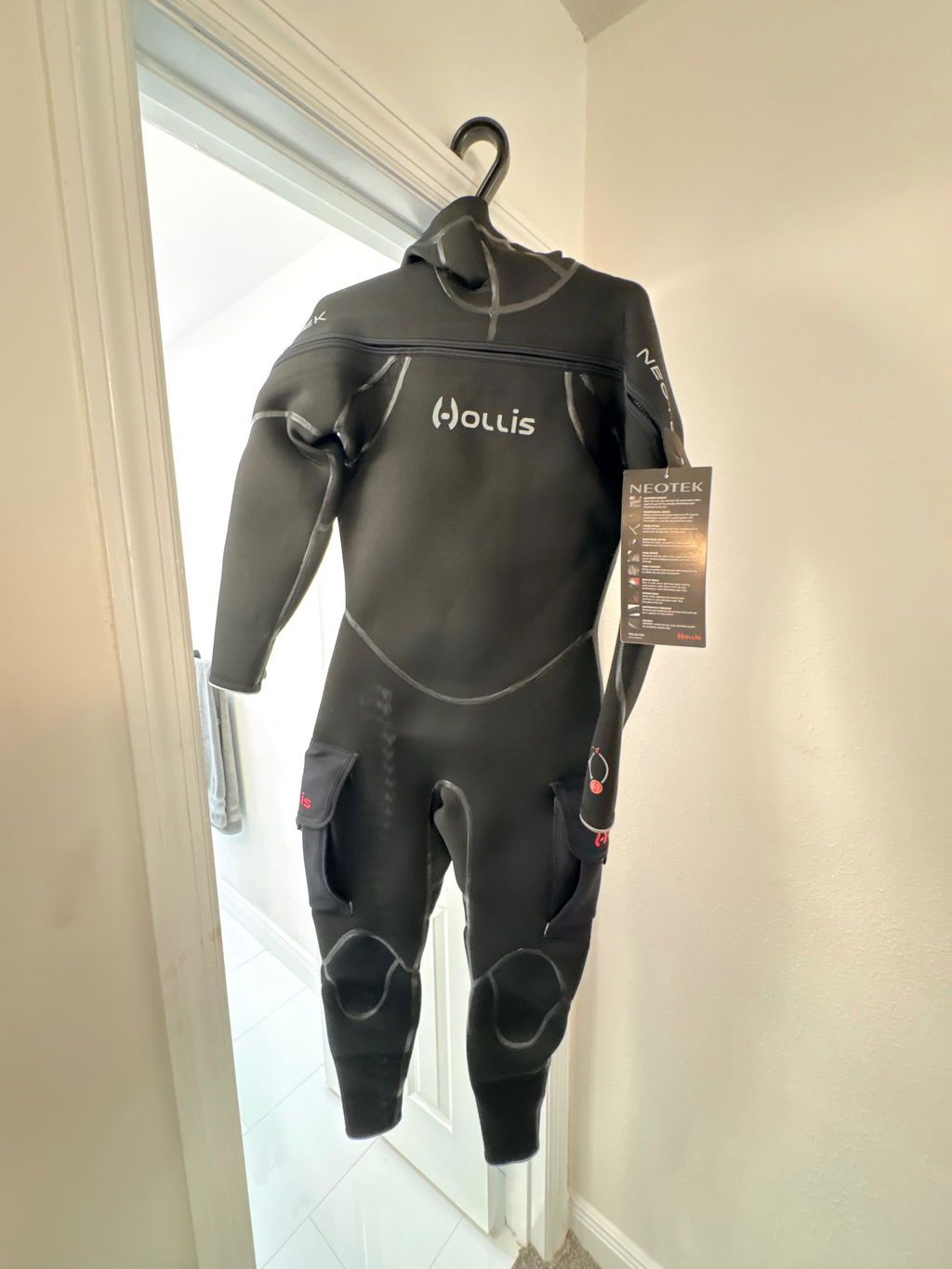
Waterproof Body X Single Layer Pants - Mens
In stock — ships from Irvine, CA
This item is currently on backorder. Order now to reserve yours, and we will ship it as soon as it is back in stock.
Waterproof Body X Single Layer Pants - Mens - S (Small) is backordered and will ship as soon as it is back in stock.
Pickup currently unavailable at 23D


Waterproof Body X Single Layer Pants - Mens - S (Small) is backordered and will ship as soon as it is back in stock.
-
DiveCatalog.com Quick Dry Multi Accessory Dive Gear Hanger for Boots, Gloves, Hood
$22.95$2.30
-
DiveCatalog Comfo-Bite Silicone Mouthpiece for Scuba Diving Regulators Black
$19.95$2.00
-
DiveCatalog Essentials - BCD and Regulator Hanger for Scuba Diving
$19.95$2.00
-
DiveCatalog Scuba Essentials - Wetsuit Hanger for Scuba Diving, Snorkeling, and Surfing
$19.95$2.00
-
DiveCatalog Hose Clamp for Scuba Diving - Scuba Essentials
$17.95$1.80


-
DiveCatalog Neoprene Mask Strap Cover
$17.00$1.70
-
DiveCatalog.com Basic Black Silicone Snorkel
$14.95$1.50
-
DiveCatalog Silicone Mouthpiece Replacement w/ installation - Scuba Essentials
$14.95$1.50
-
DiveCatalog.com Diving Slate Palm Size (5"x6") with Pencil
$13.95$1.40
-
DiveCatalog.com Regulator Necklace
$11.95$1.20
-
DiveCatalog.com Water Activated LED Signal Light - Green
$11.95$1.20
-
DiveCatalog Fin Strap and Scuba Dive Accessory Holder Scuba Accessory Essentials
$9.95$1.00
-
DiveCatalog.com Dry Box with Lanyard
$9.95$1.00
-
DiveCatalog Female Quick Release Clip with Bungee cord for Scuba Accessory Essentials
$8.99$0.90
-
DiveCatalog.com Fin Holder
$7.95$0.80
-
DiveCatalog.com Scuba Mouthpiece Cover
$7.95$0.80
-
Multi-Purpose Clip with Male and Female Quick Release Clip and Bungee Cord Scuba Accessory Essentials by DiveCatalog
$5.95$0.60
-
DiveCatalog Scuba Essentials - PVC Tank Valve Protector for Scuba Diving Tanks
$5.95$0.60
-
Whistle with Lanyard in Orange by DiveCatalog
$5.00$0.50
-
DiveCatalog.com Stainless Steel 2 Inch Webbing Keeper with Serrated Teeth Weights
$1.95$0.20
-
DiveCatalog.com Weight Keeper Stopper - Black
$1.45$0.15


Payment & Security
Payment methods
Your payment information is processed securely. We do not store credit card details nor have access to your credit card information.
Product Information
Waterproof Body X Single Layer Pants - Mens are designed for scuba, diving, and other water-based activities, delivering high thermal insulation with minimal weight. Built from hollow fiber polyester inspired by polar bear fur, the fabric provides superior warmth without added bulk, making it suitable as a base layer under wetsuits or on its own in cool water. Sizes include Men’s 3XS to 3XL, and Women’s 3XS to 3XL. Weight varies by model: BODY X 285 g/m² and BODY 2X 665 g/m².
These pants combine advanced fleece technology with a snug, functional fit for diving gear performance. The hollow fiber insulation uses a Power Stretch design (90% polyester, 10% elastane) to maintain warmth while allowing freedom of movement. A two-piece fleece underwear setup provides flexibility, while a highly pill-resistant brushed fabric keeps the garment comfortable and durable over time. Features include gender-specific tailoring, flatlock seams, a pee hose, extended tail, and integrated thumb loops and foot straps, all packaged in plastic-free packaging.
- Materials and insulation: Power Stretch Hollow Fiber (90% Polyester, 10% Elastane) with newly developed fleece for an optimal body climate; hollow fibers trap air for warmth with minimal bulk, ideal for scuba and diving gear layers.
- Layering and movement: Two-piece fleece underwear with power stretch provides freedom of movement under diving gear.
- Comfort and durability: Highly pill-resistant brushed fabric is next to skin for longevity and added comfort (Anti-Pilling ASTM D 3512, Grade 4.0); flatlock seams reduce chafing during active dives.
- Wear features: Gender-specific design; Pee Hose prepared; Extended tail; Thumb loops and foot straps to keep the garment in place during movement in water.
- Packaging and sustainability: Plastic-free packaging for eco-conscious scuba gear.
- Size and compatibility: Men’s sizes 3XS–3XL; Women’s sizes 3XS–3XL.
- Product weights: BODY X approximately 285 g/m²; BODY 2X approximately 665 g/m².
⚠️ WARNING: This product contains chemicals known to the State of California to cause cancer, birth defects, or other reproductive harm. For more information, visit www.P65Warnings.ca.gov.
Frequently Asked Questions
How should a wetsuit fit?
A wetsuit should feel snug everywhere, with no loose pockets at the lower back, armpits, or behind the knees where water can collect and flush. It will feel tighter than normal clothing on land, which is expected, because the suit works by holding a thin layer of water that your body warms. If you cannot take a full breath or the neck chokes you it is too small, and if you can pinch loose folds of neoprene it is too big.
What do you wear under a wetsuit?
Most divers wear a swimsuit, a rash guard, or a thin dive-specific base layer under a wetsuit. A slick base layer makes a tight suit much easier to pull on and cuts down chafing at the neck, shoulders, and underarms. Avoid thick cotton clothing, which soaks up water, bunches, and makes you colder rather than warmer.
How do you put on a tight wetsuit?
Work upward in small sections, pulling a little neoprene at a time rather than yanking on one spot, and get the suit fully seated at the ankles and knees before working on the hips and shoulders. A plastic bag over each foot and hand, or wetting the suit first, helps it slide into place. Grip with flat palms rather than fingertips, since fingernails are the most common cause of torn neoprene.
Does a thicker wetsuit mean a warmer wetsuit?
As a general rule, thicker neoprene insulates more, so a higher millimeter rating is warmer in the same conditions. Warmth also depends heavily on fit, suit style, seam construction, whether you add a hood, boots, and gloves, how long the dive is, and your own cold tolerance, so two divers in identical suits can feel very differently. Use thickness as a starting point and refine it against your local conditions and personal experience.
How do I care for and store a wetsuit?
Rinse it inside and out in fresh water after every dive day, and use a wetsuit-specific wash occasionally to control odor. Dry it inside-out first and then flip it, always out of direct sunlight, because UV and heat break down neoprene faster than anything else. Store it hanging on a wide-shouldered hanger or laid flat rather than folded, so you do not set permanent creases.
How long does a wetsuit last?
Lifespan depends far more on use and care than on age, so a suit dived hard in sun and chlorine may soften within a couple of seasons while a well-rinsed occasional-use suit can last many years. Signs a suit is finished include compressed neoprene that no longer feels buoyant or warm, splitting seams, and looseness in areas that used to be snug. Repairing small cuts and seam separations early adds meaningfully to a suit's life.
What is the difference between a full suit, a shorty, and wetsuit separates?
A full suit covers arms and legs, a shorty stops at the upper arms and thighs, and separates such as tops, bottoms, and hooded vests layer to add warmth where you want it. Layering a vest or top under a full suit adds core warmth and can extend the range of a suit you already own. Choose based on how much coverage you want, both for warmth and for protection against stings and abrasion.