Bare 7mm Ultrawarmth Coldwater Hood
In stock — ships from Irvine, CA
This item is currently on backorder. Order now to reserve yours, and we will ship it as soon as it is back in stock.
Bare 7mm Ultrawarmth Coldwater Hood - XS (X-Small) is backordered and will ship as soon as it is back in stock.
Pickup currently unavailable at 23D
| YOUR SIZE | XS | S | M | L | XL | 2XL |
|---|---|---|---|---|---|---|
| FOREHEAD | 21 in | 21.5 in | 22.5 in | 23.5 in | 24 in | 24.5 in |
| NECK | 13 in | 14 in | 15 in | 16 in | 17 in | 18 in |


-
DiveCatalog.com Quick Dry Multi Accessory Dive Gear Hanger for Boots, Gloves, Hood
$22.95$2.30
-
DiveCatalog Comfo-Bite Silicone Mouthpiece for Scuba Diving Regulators Black
$19.95$2.00
-
DiveCatalog Essentials - BCD and Regulator Hanger for Scuba Diving
$19.95$2.00
-
DiveCatalog Scuba Essentials - Wetsuit Hanger for Scuba Diving, Snorkeling, and Surfing
$19.95$2.00
-
DiveCatalog Hose Clamp for Scuba Diving - Scuba Essentials
$17.95$1.80


-
DiveCatalog Neoprene Mask Strap Cover
$17.00$1.70
-
DiveCatalog.com Basic Black Silicone Snorkel
$14.95$1.50
-
DiveCatalog Silicone Mouthpiece Replacement w/ installation - Scuba Essentials
$14.95$1.50
-
DiveCatalog.com Diving Slate Palm Size (5"x6") with Pencil
$13.95$1.40
-
DiveCatalog.com Regulator Necklace
$11.95$1.20
-
DiveCatalog.com Water Activated LED Signal Light - Green
$11.95$1.20
-
DiveCatalog Fin Strap and Scuba Dive Accessory Holder Scuba Accessory Essentials
$9.95$1.00
-
DiveCatalog.com Dry Box with Lanyard
$9.95$1.00
-
DiveCatalog Female Quick Release Clip with Bungee cord for Scuba Accessory Essentials
$8.99$0.90
-
DiveCatalog.com Fin Holder
$7.95$0.80
-
DiveCatalog.com Scuba Mouthpiece Cover
$7.95$0.80
-
Multi-Purpose Clip with Male and Female Quick Release Clip and Bungee Cord Scuba Accessory Essentials by DiveCatalog
$5.95$0.60
-
DiveCatalog Scuba Essentials - PVC Tank Valve Protector for Scuba Diving Tanks
$5.95$0.60
-
Whistle with Lanyard in Orange by DiveCatalog
$5.00$0.50
-
DiveCatalog.com Stainless Steel 2 Inch Webbing Keeper with Serrated Teeth Weights
$1.95$0.20
-
DiveCatalog.com Weight Keeper Stopper - Black
$1.45$0.15


Payment & Security
Payment methods
Your payment information is processed securely. We do not store credit card details nor have access to your credit card information.
Save with Open Box or Used Purchase

Open Box Bare 7mm Ultrawarmth Coldwater Hood
Sale price $100.75 Regular price $125.95Unit price

Save with a package
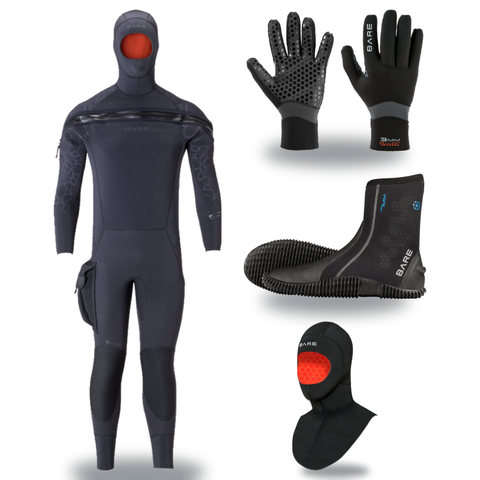
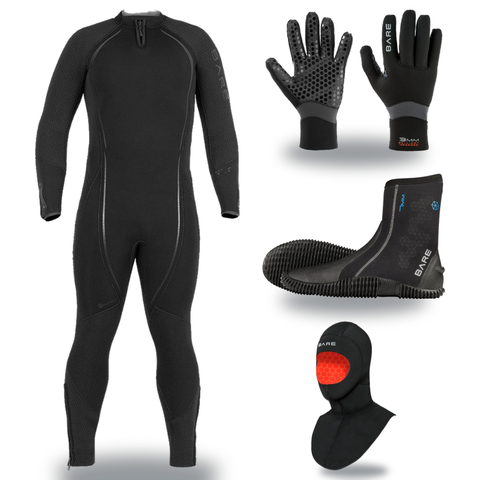
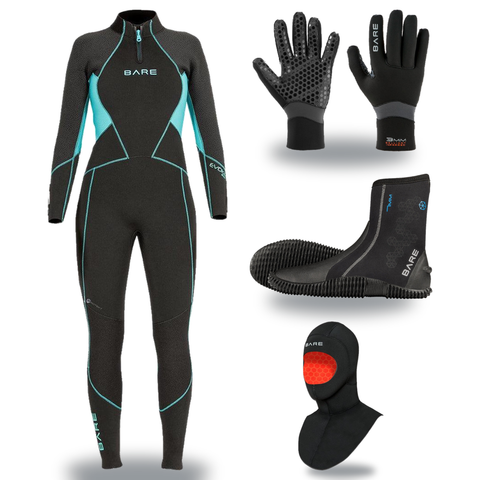
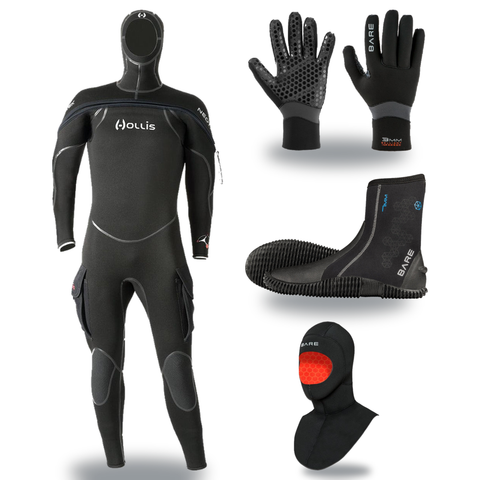
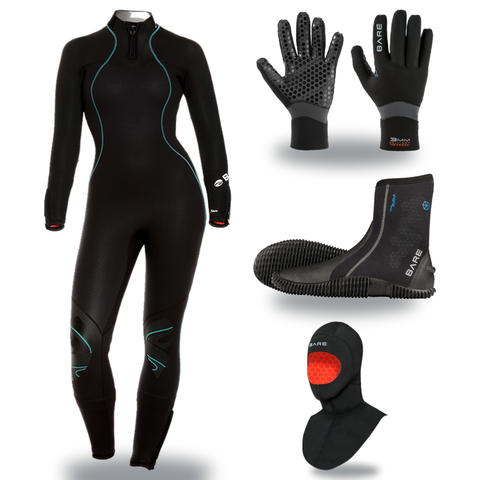
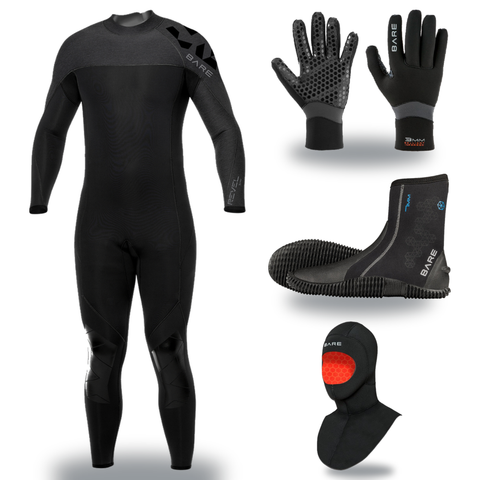
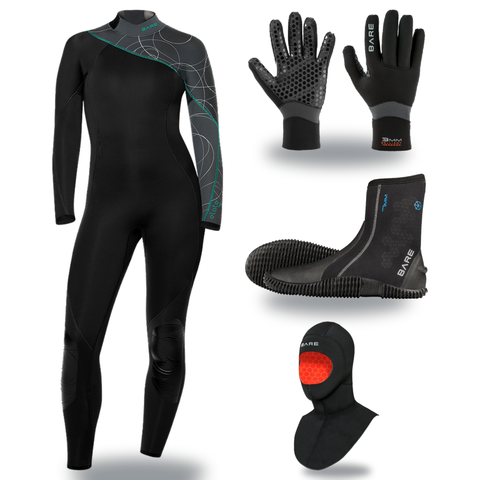
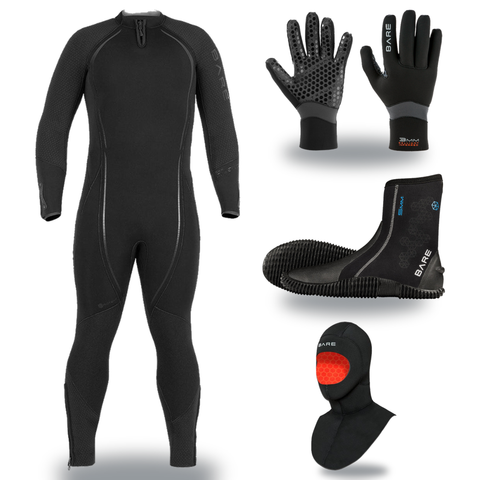
Ready-made packages that include this item
Product Information
The Bare 7mm Ultrawarmth Coldwater Hood integrates a high-loft OMNIRED infrared thermal inner fabric with ELASTEK full-stretch outer fabric to deliver reliable warmth for scuba and diving in cold underwater conditions. At 7mm+ thickness, it provides dependable insulation while maintaining flexibility for unrestricted movement beneath the surface.
OMNIRED infrared technology is scientifically proven and FDA-determined to conserve body heat and accelerate thermal recovery, while ELASTEK outer fabric enhances heat retention and prolonged warmth. The hood is designed to work with drysuits or wetsuits, featuring a hood neck seal that mates with the drysuit seal or wetsuit collar and a trim-friendly face and neck edge that glides over hair for a comfortable fit.
- High-loft OMNIRED inner fabric paired with ELASTEK full-stretch outer fabric for sustained warmth and mobility during scuba and diving.
- GLIDESKIN-IN trimmable face and neck glides nicely over hair to reduce chafing and improve seal comfort.
- Hood neck seal mates with drysuit seals or wetsuit collars for a secure, watertight fit.
- GEN2 hood vent allows trapped air to escape without letting water enter the hood during ascent and movement.
- Mask strap grip pad on the back of the hood secures the mask strap in place, preventing slip during dives.
- SECURELOCK construction is double-glued and blindstitched to improve isolation and minimize flushing, supporting warmer, longer underwater sessions.
| Brand | BARE |
| Model | Ultrawarmth Coldwater Hood |
| Thickness | 7 mm |
| Lining | OMNIRED infrared inner fabric |
| Fit | Unisex |
| Venting | Hood vent allows trapped air to escape |
| Seams | Double-glued and blindstitched construction |
| Use | Cold-water scuba diving |
⚠️ WARNING: This product contains chemicals known to the State of California to cause cancer, birth defects, or other reproductive harm. For more information, visit www.P65Warnings.ca.gov.
Frequently Asked Questions
What thickness of dive boots, gloves, or hood should I choose?
As a general rule, thicker neoprene insulates more, so colder water pushes you toward thicker accessories, but fit, dive length, and personal cold tolerance matter as much as the millimeter number. Divers commonly lose a great deal of heat through the head, so a hood is often the highest-value warmth upgrade for the money. Remember that every added piece of neoprene also adds buoyancy you will need to account for.
How should dive boots fit?
Boots should fit like a snug athletic shoe, with no heel lift and no crushed toes; a little water inside is normal, a sloshing pocket is not. Try them on with the socks you would actually dive, and remember your fin foot pocket has to accommodate the boot. Hard-sole boots protect on rocky shore entries, while soft-sole boots are lighter and pack smaller for boat and travel diving.
How should dive gloves fit?
Gloves should be snug across the palm with fingertips reaching the ends without bunching, since trapped air and loose fingertips destroy dexterity. Thicker gloves are warmer but make buckles, clips, and inflator buttons harder to operate, so choose the thinnest glove that keeps you comfortable in your conditions. Try working a clip or buckle while wearing them before you commit.
How should a dive hood fit?
A hood should seal around the face and neck without restricting your throat or jaw, and lie flat on your head without pulling the mask strap out of position. A loose hood flushes cold water continuously, while an overly tight one is distracting and uncomfortable. Many hoods have a vent to release air trapped during descent, so check yours and burp out any trapped air before you go down.
Why does new neoprene feel so tight?
New neoprene compresses and relaxes with use, so a boot, glove, or hood that feels firm out of the packaging usually settles slightly after a few dives. It should still be snug afterward rather than loose, because neoprene that stretches into a loose fit was probably oversized to begin with. Buy for a snug fit when new, but never for a fit that restricts circulation or breathing.
Do I need to change my weighting when I add a hood, gloves, and boots?
Yes, because every piece of neoprene you add is buoyancy, and a hood, boots, and thick gloves together can shift your weighting noticeably. Do a proper buoyancy check any time you change your exposure protection rather than assuming your usual weight still works. The weight-check procedure is covered in your training, and a dive professional can help you re-do it.
How do I care for dive boots, gloves, and hoods?
Rinse them inside and out in fresh water after every dive day, since they hold sweat and salt more than any other gear, and dry them fully inside-out before packing. Dry them out of direct sunlight and never on a heater, because heat hardens neoprene and weakens glued seams. Store them dry and unfolded, as damp neoprene sealed in a bag is how gear picks up a permanent smell.