Snorkeling and scuba diving are two popular water activities that allow people to explore underwater environments, but they differ significantly in equipment, skill requirements, and experience. Understanding these differences can help you choose the activity that best fits your interests and comfort level.
Equipment and Gear
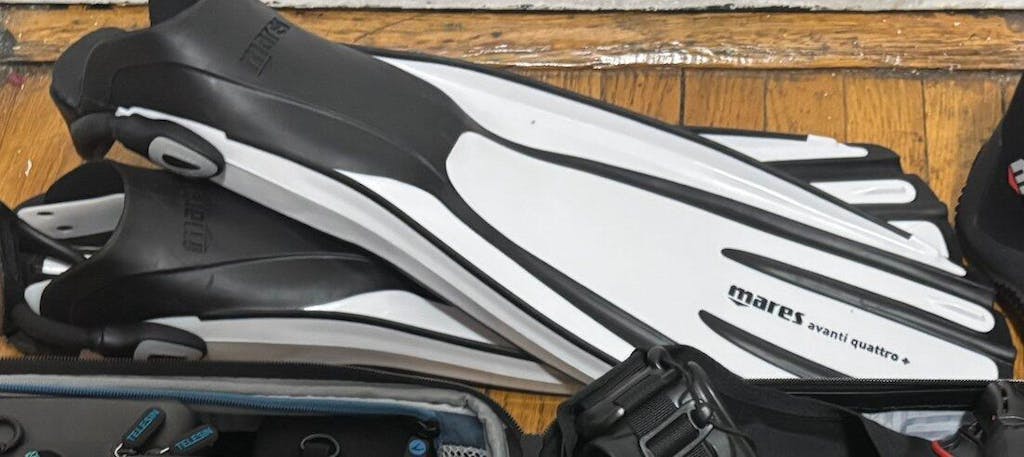
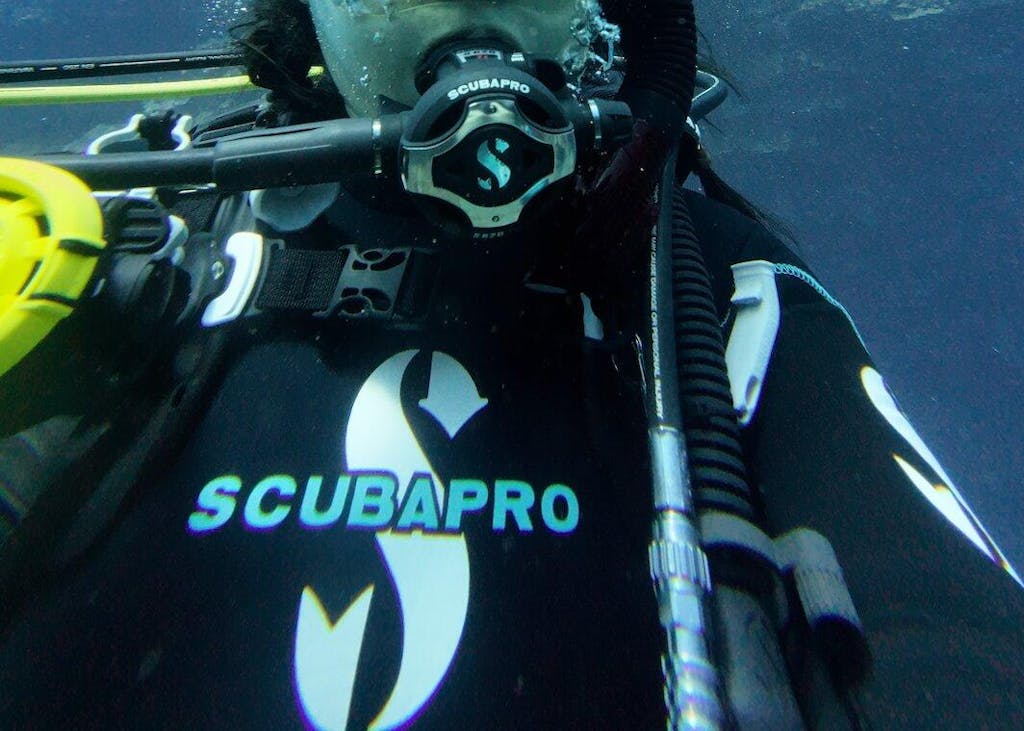
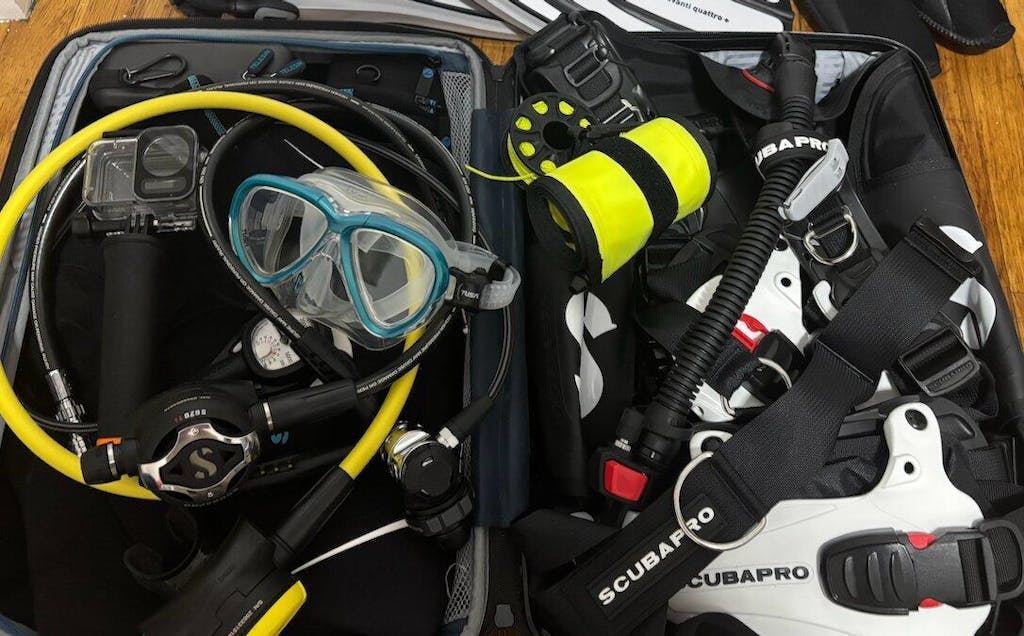
Snorkeling requires minimal equipment, typically just a mask, snorkel, and fins. This makes it easy for beginners to start exploring shallow waters without extensive training. Scuba diving, on the other hand, involves more specialized gear including a scuba tank, regulator, buoyancy control device (BCD), wetsuit, and dive computer. Proper use of this equipment requires training and certification to ensure safety underwater.
Depth and Duration
Snorkelers usually stay near the water’s surface, floating or swimming over shallow reefs, allowing them to observe marine life without descending deeply. Scuba diving enables divers to explore deeper waters for extended periods, thanks to the air supply from the scuba tank. This allows access to underwater caves, shipwrecks, and reefs that are beyond the reach of snorkeling.
Skill and Training
Snorkeling is beginner-friendly and requires little instruction, making it suitable for almost all ages. Basic swimming skills are sufficient. Scuba diving demands formal training, including learning how to manage buoyancy, use dive equipment, and handle potential underwater hazards. Certification from a recognized organization, such as PADI or NAUI, is essential for safe scuba diving.
Experience and Exploration
Snorkeling offers a relaxed, surface-level experience that allows participants to enjoy vibrant coral reefs and fish in shallow waters. Scuba diving provides a more immersive experience, giving divers the opportunity to explore complex underwater ecosystems and observe marine life up close in their natural habitats.
Safety Considerations
Both activities require attention to safety, but scuba diving carries more risk due to increased depth, pressure changes, and potential underwater hazards. Proper training, adherence to dive limits, and the use of appropriate gear are crucial for safe scuba diving. Snorkelers should still practice basic safety, such as staying within designated areas and using flotation devices if necessary.
Conclusion
In summary, snorkeling and scuba diving offer unique ways to explore the underwater world. Snorkeling is ideal for beginners looking for an easy, low-risk activity in shallow waters, while scuba diving provides a deeper, more immersive experience for those trained and certified to dive safely. Both activities highlight the beauty of marine life and underwater landscapes, making them valuable additions to any ocean adventure.