Taking your first scuba dive is a significant milestone that combines excitement with careful preparation. Whether you're exploring a tropical reef or a local dive site, understanding what happens before, during, and after your dive will help you feel confident and safe underwater.
Pre-Dive Requirements and Preparation
Before you can scuba dive, you'll need to complete a medical questionnaire to ensure you're physically fit for diving. Certain conditions like asthma, heart problems, or ear issues may require medical clearance. Most first-time divers participate in a Discover Scuba Diving program or begin an Open Water certification course with a certified instructor.
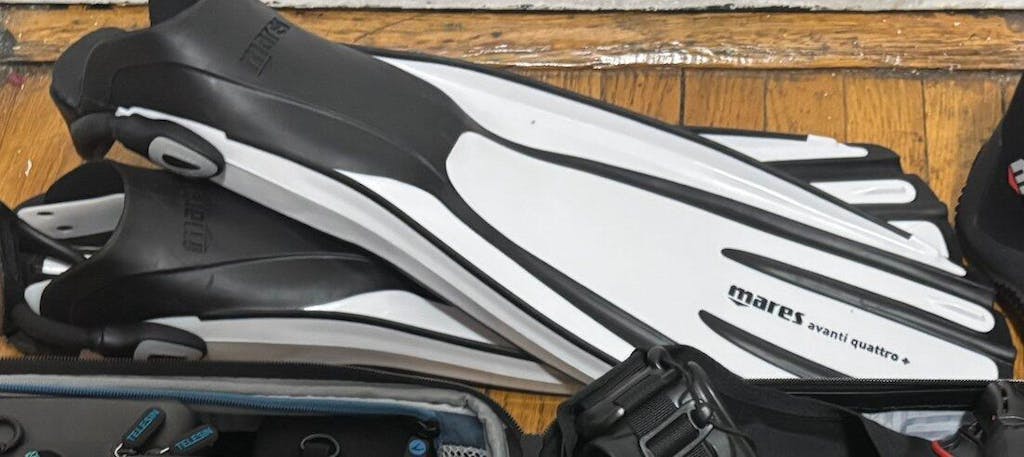
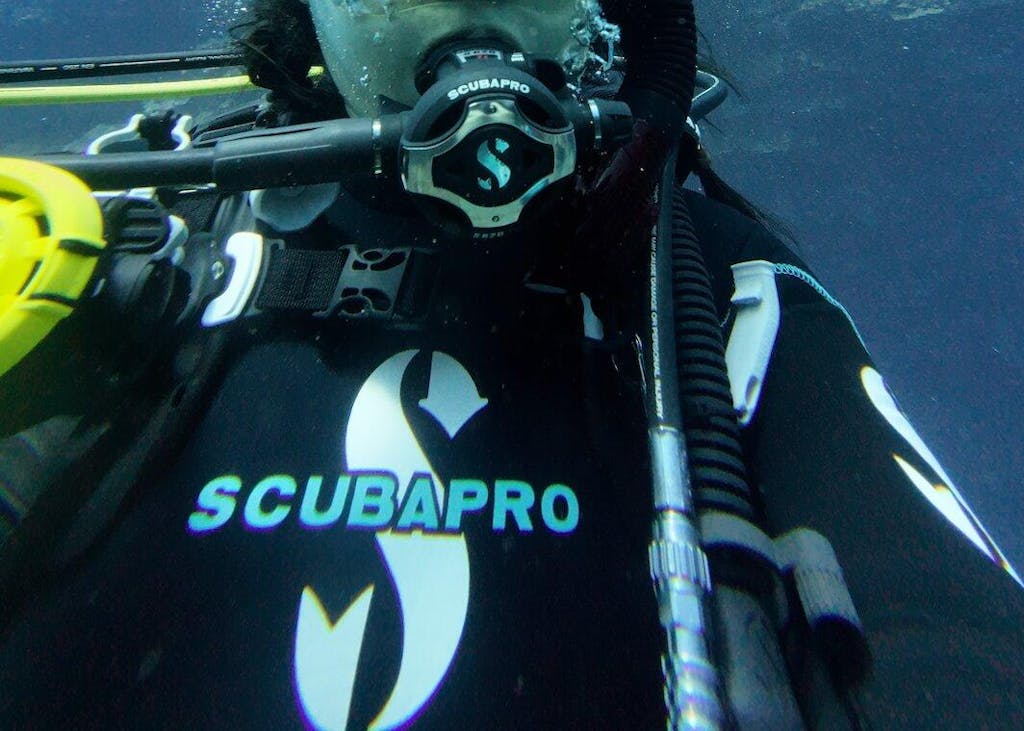
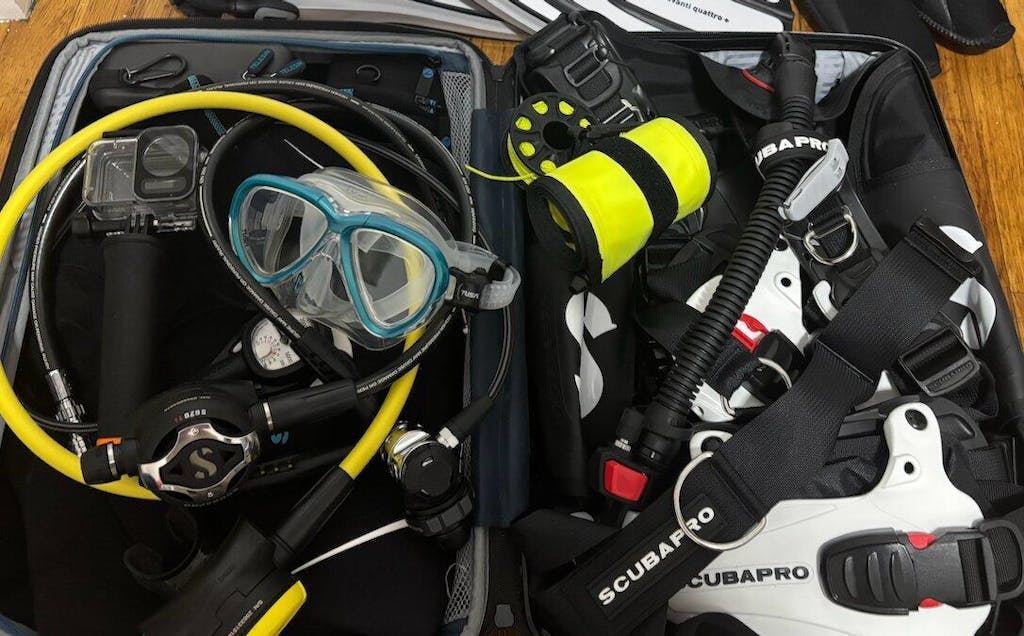
Your dive center will provide all necessary scuba equipment, including a wetsuit or drysuit, buoyancy control device (BCD), regulator, mask, fins, and tank. Your instructor will explain how each piece works and help you achieve a proper fit. The wetsuit should be snug but not restrictive, and your mask should create a comfortable seal without gaps.
The Training Session
First-time scuba diving always begins with instruction. You'll learn essential skills in shallow water or a pool before entering open water. These skills include breathing through the regulator, clearing water from your mask, equalizing ear pressure, and controlling your buoyancy. Your instructor will demonstrate each technique and watch as you practice.
Breathing underwater may feel unusual at first. Focus on slow, steady breathing through your mouth, which differs from normal patterns. Many beginners find this takes a few minutes to feel natural. Your instructor will stay close and communicate using hand signals, as talking underwater isn't possible.
Your First Open Water Dive
Once you've demonstrated basic skills, you'll enter open water with your instructor. Most first dives reach depths between 20 to 40 feet and last 20 to 45 minutes, depending on air consumption and comfort level. You'll descend slowly, stopping to equalize the pressure in your ears by gently blowing against pinched nostrils.
Underwater, you'll notice how different everything looks and feels. Colors appear muted because water absorbs light, with reds disappearing first. Movement requires less effort than on land—small fin kicks propel you forward efficiently. Sound travels differently, and you'll hear your own breathing along with ambient underwater noises.
Your instructor will guide you through the dive site, pointing out marine life and interesting features. You'll practice buoyancy control to avoid touching the bottom or floating to the surface. Maintaining neutral buoyancy protects fragile coral reefs and conserves your energy.
Physical Sensations and Common Experiences
Pressure increases as you descend, which you'll feel most noticeably in your ears and sinuses. Regular equalization prevents discomfort. Some divers experience mild anxiety initially, which typically subsides once they focus on breathing and following their instructor's guidance.
The weightlessness of scuba diving creates a sensation similar to floating in space. This neutral buoyancy allows you to hover effortlessly and observe marine life without disturbing it. Water temperature varies by location—tropical waters may feel bath-like, while temperate waters require thicker exposure protection.
Safety Protocols and Buddy System
Scuba diving follows strict safety protocols. You'll never dive alone—the buddy system pairs you with another diver who monitors your well-being and can assist if needed. Your instructor serves as your buddy on your first dive. You'll learn to check your air supply regularly and communicate your remaining pressure to your buddy.
Ascent happens slowly and deliberately. Rising too quickly can cause decompression sickness, so you'll ascend at a rate no faster than 30 feet per minute, or slower if recommended by your instructor, often pausing for a safety stop at 15 feet for three to five minutes.
After the Dive
Once you surface and return to shore or the boat, you'll remove your scuba gear with assistance. Many first-time divers feel exhilarated and energized, though some experience mild fatigue from the physical activity and mental focus required.
You should avoid flying for 12–24 hours after diving, depending on your dives, to prevent decompression sickness. Stay hydrated, as diving can be dehydrating. Your instructor will debrief the dive, discussing what you saw and how you performed.
What to Bring and Wear
Wear a swimsuit under your wetsuit and bring a towel and change of clothes. Sunscreen is essential for boat dives, though you should apply reef-safe formulas to protect marine ecosystems. If you wear contact lenses, inform your instructor—many divers wear them without issues, though prescription masks are available.
Bring any required medical forms and identification. A waterproof camera can capture memories, but focus on experiencing the dive rather than documenting it. Your dive center may offer professional photography services.
Marine Life Encounters
What you see underwater depends on your location and season. Tropical reefs host colorful fish, sea turtles, rays, and diverse coral formations. Temperate waters may feature kelp forests, seals, and different fish species. Your instructor will identify marine life and explain proper observation etiquette—look but don't touch.
Most marine creatures ignore divers or swim away. Aggressive encounters are extremely rare when you follow guidelines and respect wildlife. Avoid reaching into crevices or disturbing animals, and never feed fish, as this alters natural behavior.
Next Steps After Your First Dive
If you enjoyed your first scuba diving experience, consider pursuing Open Water certification. This qualification allows you to dive with a buddy to depths of up to 60 feet (18 meters) for your training dives. Certification courses include additional pool sessions, open water dives, and knowledge development through online or classroom learning.
Many divers find that their first dive ignites a passion for underwater exploration. The scuba diving community welcomes newcomers, and dive travel opens opportunities to explore oceans, lakes, and quarries around the world. Each dive builds your skills, confidence, and appreciation for aquatic environments.