Diving offers a wide range of experiences, from relaxed underwater exploration to highly specialized deep dives. Two primary types of diving that attract enthusiasts are recreational diving and technical diving. Both involve scuba gear and training, but they differ significantly in scope, complexity, and risk management.
Recreational Diving
Recreational diving is the most common form of scuba diving. It is designed for individuals seeking underwater exploration without extreme risks. Recreational divers typically dive to depths of 130 feet (40 meters) or less and focus on enjoying coral reefs, shipwrecks, and marine life. Certification for recreational diving is provided by organizations such as PADI, NAUI, and SSI, and includes basic safety, buoyancy, and navigation skills.
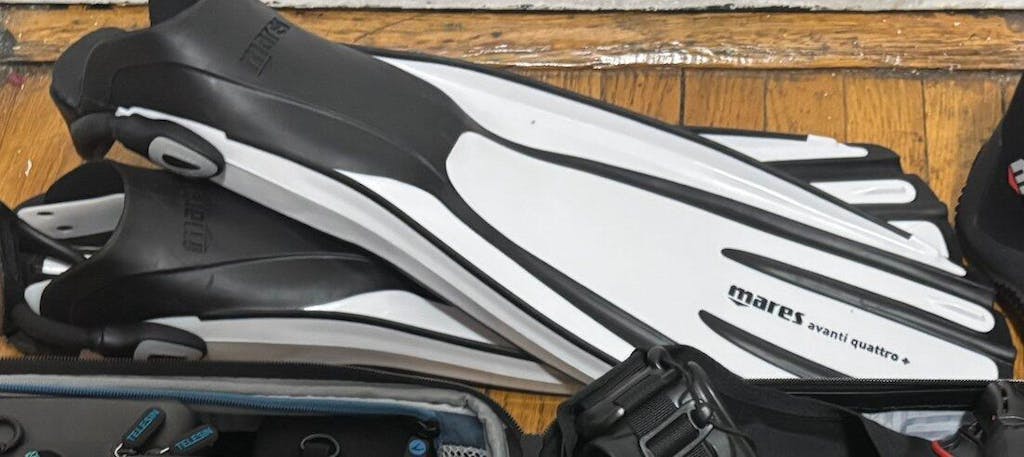
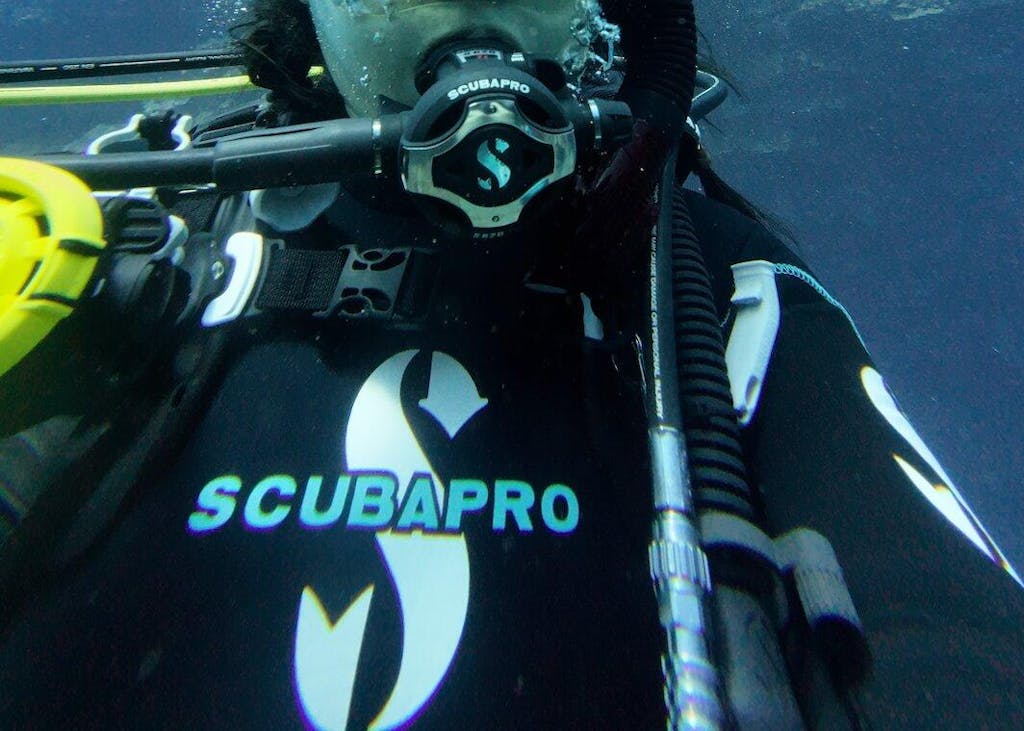
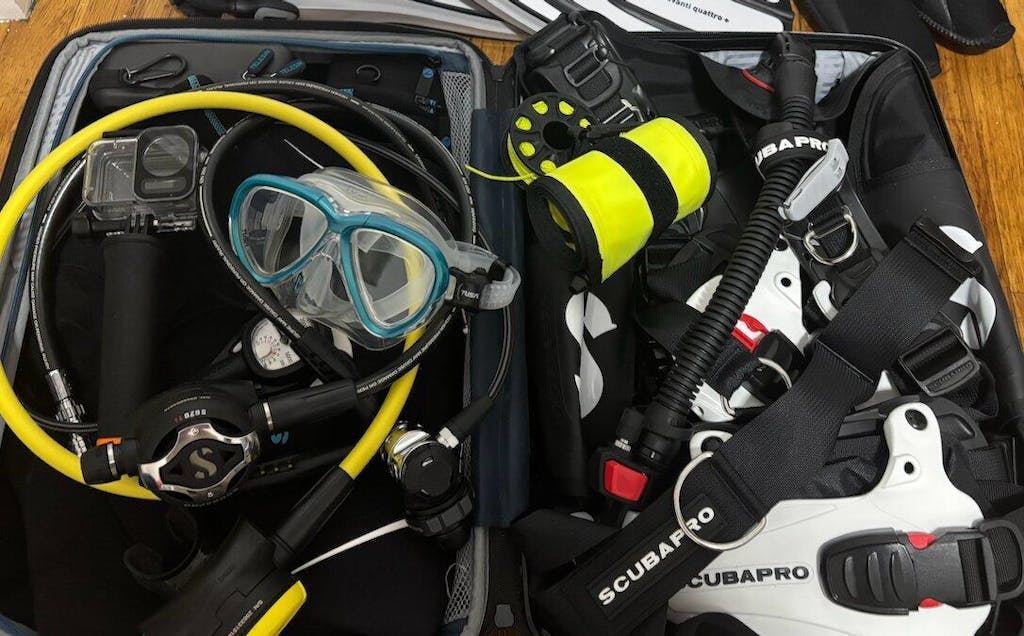
Recreational diving relies on standard scuba gear, including a single tank, regulator, buoyancy control device (BCD), and wetsuit or drysuit. Dive planning emphasizes safety limits, including maximum depth, bottom time, and decompression-free diving. This makes recreational diving suitable for beginners, vacationers, and casual underwater explorers.
Technical Diving
Technical diving goes beyond the limits of recreational diving and involves more complex dive planning, specialized equipment, and advanced training. Technical divers explore depths greater than 130 feet (40 meters), overhead environments like caves and wrecks, or situations requiring extended bottom time. Because these dives carry higher risks, technical diving requires rigorous training in decompression procedures, gas management, and emergency protocols.
Technical diving often involves multiple tanks, mixed gases such as trimix or nitrox, and redundant life-support systems. Divers may use advanced equipment like rebreathers, stage bottles, and dive computers designed for decompression stops. Technical diving requires careful planning to manage nitrogen narcosis, oxygen toxicity, and decompression sickness, making it suitable for experienced divers seeking challenging underwater adventures.
Key Differences Between Recreational and Technical Diving
- Depth Limits: Recreational diving is limited to 130 feet, while technical diving can exceed 300 feet depending on certification and conditions.
- Training Requirements: Recreational divers complete basic certification courses, whereas technical divers must undergo advanced training in decompression procedures, gas mixtures, and overhead environments.
- Equipment: Recreational diving uses standard scuba gear, while technical diving requires additional tanks, mixed gases, and redundant systems.
- Risk and Planning: Recreational dives emphasize safety within no-decompression limits, while technical dives require meticulous planning to manage extended bottom times and decompression stops.
Choosing Between Recreational and Technical Diving
The choice between recreational and technical diving depends on experience, goals, and comfort with risk. Recreational diving is ideal for most divers looking to enjoy underwater scenery safely. Technical diving appeals to experienced divers who want to explore extreme environments, deep wrecks, or extended dives that exceed recreational limits. Both types of diving require proper training, certification, and adherence to safety protocols to ensure a safe and enjoyable experience.
Understanding the differences between recreational and technical diving helps divers make informed decisions about their underwater adventures, gear selection, and training requirements.