Live Dive Conditions + Forecast Guide for Southern California
Monitoring current dive conditions is crucial for safe and enjoyable scuba diving. Factors such as wave height, swell direction, wind, tide, and visibility all affect the dive experience, whether you’re diving in Catalina, La Jolla, Laguna Beach, or other Southern California sites.
Why Real-Time Conditions Matter for Divers
- Wave Height: Large waves can make shore entry or exit difficult and dangerous.
- Visibility: Determines how much you can see underwater — important for safety and photography.
- Swell Direction: Can create surge or strong currents, impacting different dive sites differently.
- Wind: Influences surface chop, swell, and overall dive safety.
- Tides: Low or high tides affect access to reefs, kelp forests, and boat landings.
How to Use Windy.com for Dive Planning
Windy.com provides live weather, wave, swell, and wind data. Here’s how divers can use it:
- Check Wave Height – ideal dive conditions are typically 2–3 ft or lower for shore dives.
- Check Swell Direction – ensure the swell is not pushing directly into the shore you plan to enter from.
- Check Wind – lighter winds reduce surface chop and improve safety.
- Check Tides – use NOAA tide charts for exact high and low tide times.
- Compare conditions to historical patterns or local dive shop guidance.
Recommended Forecast Settings for Popular Dive Sites
- Catalina Island: Waves under 3 ft, NW swell, wind under 10 kt.
- La Jolla Shores: Waves under 2 ft, SW swell, calm wind preferred.
- Laguna Beach: Waves under 3 ft, NW swell, low wind.
- Palos Verdes / Redondo Canyon: Moderate waves acceptable, check currents carefully.
Step-by-Step Guide for Using Live Dive Conditions
- Select your dive site and note coordinates.
- Open Windy.com or embedded map below.
- Check wave height, swell direction, wind, and temperature layers.
- Check tides using NOAA or local tide apps.
- Decide if conditions are safe for your skill level.
Live Dive Conditions Map
Use the map below to see live wind, swell, and wave conditions at your dive site.
Local Safety Notes
- Always check live conditions before diving; they can change rapidly.
- Beginners should avoid high surf, strong currents, or low visibility.
- Wear appropriate wetsuits for water temperature and safety gear for tides/currents.
- Check with local dive shops for additional guidance on currents, surge, or hazards.
Frequently Asked Questions
- What wave height is too high for diving? Typically, waves above 3–4 ft can be challenging for shore entry dives.
- Is Windy.com accurate for scuba diving? Windy.com provides accurate marine forecasts for waves, wind, and swell, but should be cross-referenced with tide charts and local reports.
- Where can I check visibility? Local dive shops or recent dive logs often provide the most reliable visibility reports.
- What is the best time of day to dive in Southern California? Generally early morning when winds are calmer, but always check conditions for each site.
Recommended Dive Gear
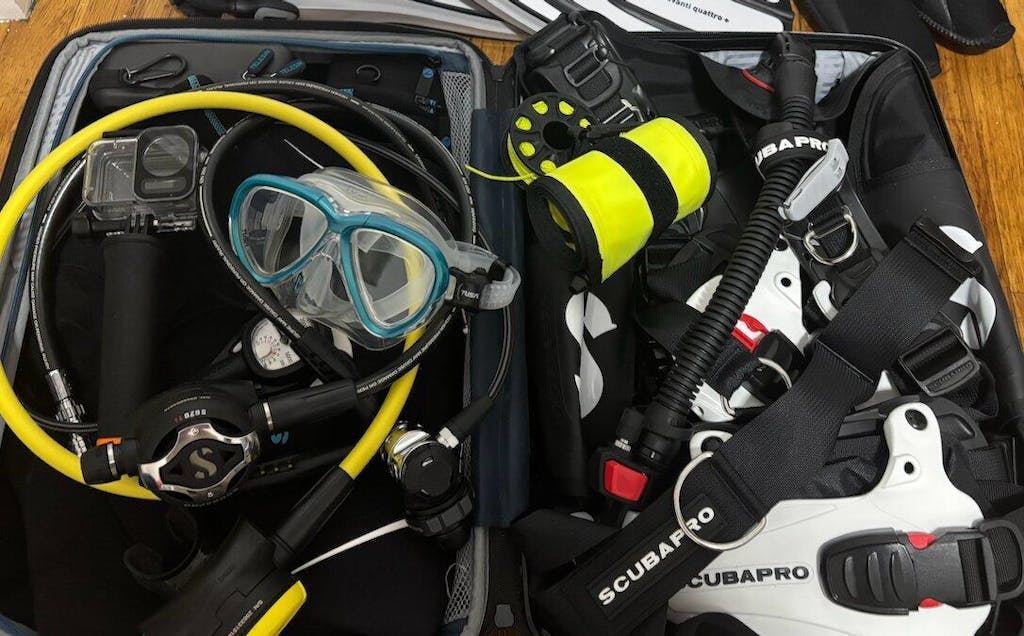
Ensure you have the proper equipment for the conditions:
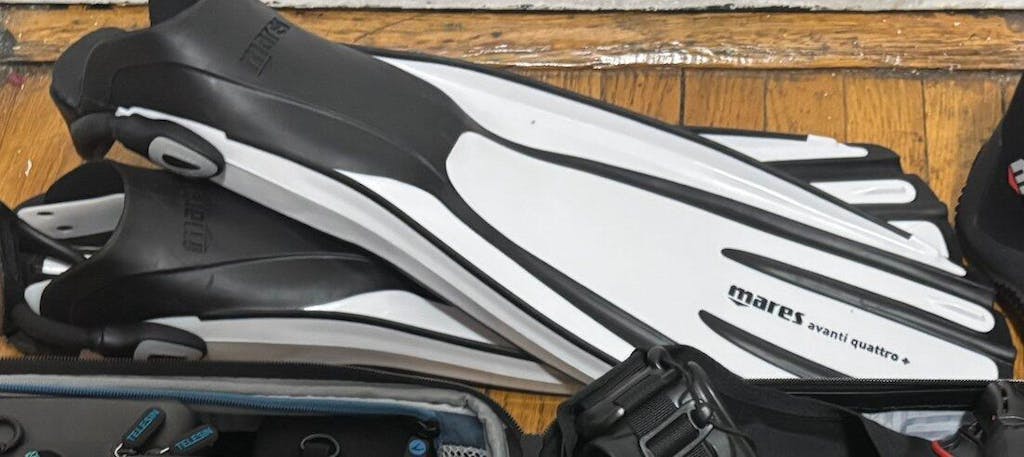
- Fins, boots, gloves for shore dives with surf or rocky entries
- Surface marker buoy for added safety
- Wetsuit appropriate for local water temperature
- Dive light for kelp forests or low visibility
- Dive slate or waterproof notebook for navigation or logging conditions
Using live dive conditions and forecasts will help you choose the safest, most enjoyable times to dive. Bookmark this guide and check conditions before every dive trip to Southern California.