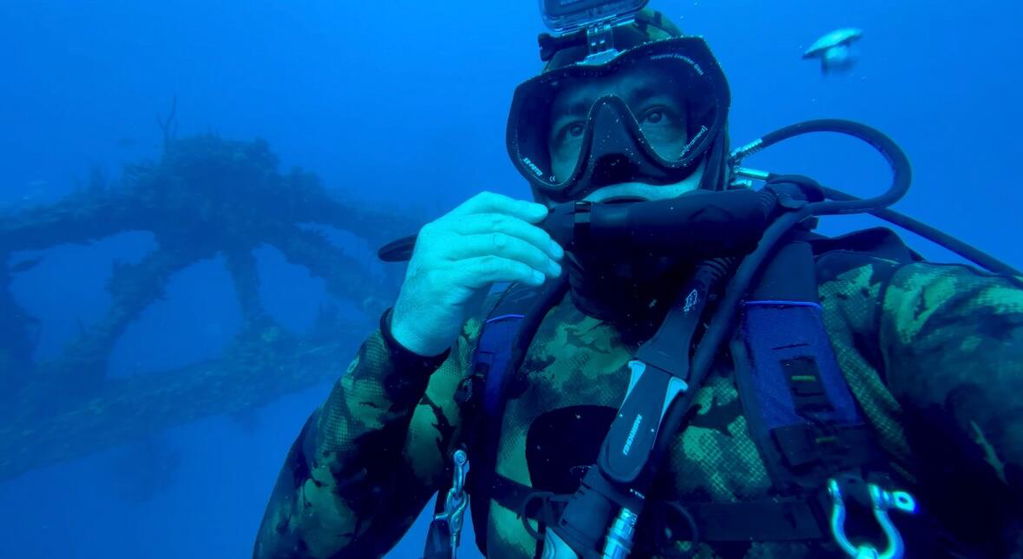
Freediving — the practice of diving underwater on a single breath, without scuba gear — has grown steadily in popularity over the past decade. Whether you're drawn to the meditative quiet of the underwater world, the challenge of pushing your breath-hold limits, or the thrill of spearfishing, freediving offers a uniquely personal way to explore the ocean.
If you're new to the sport, it can be hard to know where to start. This guide covers the essentials: what you need to know about safety, which gear to prioritize, and how to build good technique from day one.
Safety Comes First
Before getting into gear or technique, there's one rule that applies to every freediver regardless of experience level: never freedive alone. Shallow water blackout — a loss of consciousness caused by hypoxia on ascent — can happen without warning, even to experienced freedivers. It's silent and fast. A dive buddy who knows what to look for can mean the difference between a close call and a tragedy.
Other foundational safety practices for beginners:
- Take a certified freediving course before diving in open water
- Learn to recognize hyperventilation and why it's dangerous (it masks your urge to breathe without actually increasing oxygen)
- Always establish a surface signal with your buddy before each dive
- Don't push breath-hold limits in the water — practice breath-hold in a pool with a trained instructor first
Essential Freediving Gear
Freediving uses less equipment than scuba diving, but choosing the right gear matters for both performance and comfort. Here's what a beginner needs:
Low-Volume Mask
A low-volume mask is critical for freediving. Smaller internal volume means less air is needed to equalize the mask during descent — important when you're working with a single breath. Frameless designs tend to fit closer to the face and make equalization easier.
The Mares Viper Freediving Mask is a popular choice for freedivers. Its slim profile minimizes dead air space, and the lenses are positioned close to the eyes for a wide field of view underwater.

Freediving Fins
Freediving fins are longer and stiffer than standard scuba fins. The longer blade converts each kick into more propulsion per unit of energy — essential when you're trying to descend and ascend efficiently on one breath. Most entry-level freedivers start with fiberglass or plastic blade fins before moving up to carbon fiber.
The Mares Razor Pro Freediving and Spearfishing Fins offer a well-balanced performance profile for beginner and intermediate freedivers. The blade provides solid propulsion while staying forgiving enough for divers still developing their kick technique.

Wetsuit
Freediving wetsuits are typically two-piece designs made from softer, more flexible neoprene than scuba wetsuits — optimized for unrestricted movement and minimal resistance during the streamlined descent. Thickness depends on water temperature:
- 1–2mm: tropical water (above 82°F / 28°C)
- 3mm: warm to temperate water (72–82°F / 22–28°C)
- 5mm+: cold water (below 65°F / 18°C)
Open-cell neoprene wetsuits — where the inside of the suit contacts skin directly — provide better insulation and a snug seal, but require lubrication to put on. Closed-cell suits are more beginner-friendly and easier to don without assistance.
Weight Belt
Freedivers use a weight belt to offset the buoyancy of their wetsuit and reach neutral buoyancy at depth. Rubber weight belts are preferred over nylon because they conform to the body better and stay in place during the dive. A correct weight setup means you'll float near the surface with lungs full of air, and sink gradually once you've exhaled and started your descent. Start conservative — it's easier to add weight than to deal with being over-weighted at depth.
Freediving Computer
A dive computer isn't strictly required for shallow recreational freediving, but it's a valuable tool as you progress. Freediving computers track depth, dive time, and surface interval — helping you avoid repetitive dive syndrome, which can occur when you take too many dives in a short period without adequate rest.
The Mares Smart Apnea Dive Computer is purpose-built for freediving and spearfishing. It logs each dive, tracks surface intervals, and displays real-time depth and elapsed time — data that's especially useful once you start pushing beyond recreational depths.

Basic Techniques for New Freedivers
Breathing Up
The pre-dive breathing sequence — called "breathing up" — is about relaxing your body and taking a full, diaphragmatic breath before your dive. It is not about hyperventilating to extend your breath-hold time. Hyperventilation lowers CO₂ levels without increasing oxygen, which removes the warning signal that tells your brain to surface. This is a primary cause of shallow water blackout.
A simple, safe breathing-up routine:
- Take 2–3 slow, full breaths over about 90 seconds
- On your final breath, inhale fully but without forcing
- Begin your dive calmly
The Duck Dive
The duck dive is the entry technique used to begin your descent. From a face-down floating position, bend at the hips to a 90-degree angle, then lift your legs vertically out of the water. The weight of your legs will push you down without any kicking. Once your fins are below the surface, begin your flutter or dolphin kick.
A smooth, efficient duck dive conserves air and momentum — both critical for deeper and longer dives.
Equalization
Equalizing your ears and mask is essential in freediving, just as in scuba. The most common technique for freedivers is the Frenzel maneuver, which uses your tongue as a piston to compress air into your ears. Unlike the Valsalva method (pinching and blowing), the Frenzel can be performed without using your diaphragm — making it more energy-efficient and easier to execute at depth.
Equalize early and often: start before your dive, then every meter or two on the way down. If you feel pressure and can't equalize, abort the dive and ascend.
Getting Certified
A freediving course from AIDA, SSI, or PADI is the best investment a new freediver can make. A course provides supervised practice with trained instructors, correct breathing and equalization technique from the start, pool sessions to practice breath-hold safely before open water, and a buddy trained in rescue and rescue breathing.
Entry-level courses (AIDA 2-star, SSI Level 1, PADI Basic Freediver) typically cover recreational depths down to 20 meters and can be completed in 2–3 days. They're also a practical way to meet qualified dive buddies in your area.
Common Beginner Mistakes
Most early freediving problems come down to a few recurring habits:
- Hyperventilating before dives: Breathe slow and relaxed — never rapid or forceful before a dive.
- Over-weighting: Too much weight makes a controlled ascent harder. Dial in your weighting carefully in a pool before open water.
- Kicking too hard on descent: Unnecessary effort burns oxygen. Relax into the descent once negative buoyancy takes over.
- Ignoring surface intervals: Take at least twice as long at the surface as your previous dive lasted underwater.
- Diving without a buddy: Always have a qualified buddy in the water. No exceptions.
Ready to Get in the Water?
Freediving rewards patience and technique more than raw fitness. Most beginners are surprised by how quickly their breath-hold improves with correct habits — and how much more enjoyable diving becomes once they're moving efficiently through the water.
Browse DiveCatalog.com for freediving masks, fins, wetsuits, computers, and spearfishing gear — everything you need from your first pool session to open-water dives.