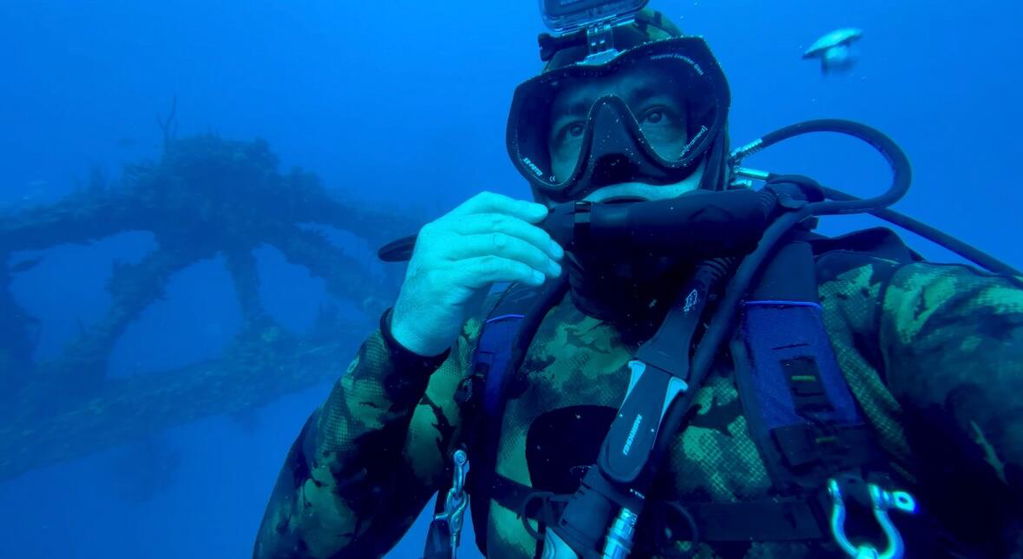
Southeast Asia holds some of the most diverse and accessible diving in the world. Whether you're chasing whale sharks in the Gulf of Thailand, swimming with sea turtles in the Philippines, or drifting through Raja Ampat's kaleidoscopic reefs, this region offers something for every diver — beginner or technical, budget or expedition.
This guide covers the standout dive destinations across three countries: Thailand, the Philippines, and Indonesia. We'll walk through what makes each unique, the best time to visit, and what gear to pack.
Thailand: The Similan Islands and Beyond
Thailand's Andaman Sea offers the country's best diving, centered on the Similan Islands — a chain of nine granite islands roughly 100 km northwest of Khao Lak. The Similans are known for exceptional visibility (often 20–30 meters), healthy hard coral, and a variety of marine life including reef sharks, sea turtles, and leopard sharks resting on sandy bottoms.
The nearby Richelieu Rock, a horseshoe-shaped pinnacle in the Mergui Archipelago near the Thailand-Myanmar border, is one of the most celebrated dive sites in Southeast Asia. Whale sharks visit regularly between March and May, and the rock's structure supports an extraordinary density of marine life at every depth.
Thailand's dive season in the Andaman Sea runs from October through May. June through September brings monsoon conditions that close many of these sites, but the Gulf of Thailand — home to Koh Tao, Koh Samui, and Sail Rock — operates year-round. Koh Tao has built a strong reputation as one of the most affordable places in the world to earn a PADI Open Water certification.
Best for: First-time visitors to Asia, divers seeking world-class visibility, whale shark encounters
Water temperature: 27–30°C year-round
Recommended wetsuit: 3mm full suit or shorty
Philippines: Tubbataha, Apo Island, and Anilao
The Philippines sits at the heart of the Coral Triangle, the global center of marine biodiversity. With over 7,600 islands and coastlines facing both the Pacific and South China Sea, diving options are nearly unlimited.
Tubbataha Reef (Palawan) is a UNESCO World Heritage Site and one of the finest reef systems in the Philippines. Accessible only by liveaboard and only from March through June, it rewards the effort with pristine walls, hammerhead sharks, tiger sharks, and hawksbill turtles. Current-swept channels draw large schools of fish and create some of the most spectacular underwater scenery in the region. This is a destination for experienced divers.
Apo Island (Negros Oriental) is a community-managed marine sanctuary and one of the most successful reef conservation projects in the Philippines. Green and hawksbill sea turtles are reliably encountered on most dives. Day trips run easily from Dumaguete, and the site is well-suited to Open Water-certified divers. The south side wall drops steeply with sea fans and soft coral.
Anilao (Batangas, near Manila) has earned its reputation as a macro diving capital. Nudibranchs, pygmy seahorses, flamboyant cuttlefish, and mimic octopuses are regularly spotted. For underwater photographers, Anilao is one of the most rewarding destinations in Southeast Asia. It's accessible year-round and only a short drive from Manila.
Best for: Marine biodiversity, underwater photography, both remote and accessible diving
Water temperature: 26–29°C year-round
Recommended wetsuit: 3mm full suit
Indonesia: Raja Ampat, Komodo, and Nusa Penida
Indonesia is the world's largest archipelago, and its diving reflects that scale. The country is home to some of the highest marine biodiversity on the planet — particularly in West Papua's Raja Ampat.
Raja Ampat sits within the Coral Triangle's most biodiverse zone. Over 1,500 fish species and 600 coral species have been recorded in the region, making it one of the most species-rich marine environments on Earth. Diving here spans current-swept channels at sites like Passage and Cape Kri to calm, shallow mangroves suitable for snorkeling. The best time to visit is October through April. Some sites involve significant currents, so good buoyancy control is important.
Komodo National Park (Nusa Tenggara) is famous for drift diving. Strong currents at sites like Batu Bolong, Crystal Rock, and Manta Point concentrate fish, manta rays, and sharks. Manta rays are present year-round but most reliably seen from April through December. Note that thermoclines at some Komodo sites can drop water temperatures to 18–20°C — a 5mm wetsuit is worth having for these dives.
Nusa Penida (Bali) offers two distinctive draws: oceanic manta rays at Manta Point year-round, and the Mola mola (ocean sunfish) between July and October. During this window, ocean sunfish ascend to shallower depths to be cleaned, and sightings at sites like Crystal Bay are common. Currents and cold upwellings make these sites better suited to intermediate and advanced divers.
Best for: Biodiversity, drift diving, manta ray encounters, Mola mola
Water temperature: 24–30°C (cold upwellings possible at Komodo and Nusa Penida)
Recommended wetsuit: 3mm full suit for most sites; 5mm advisable for Komodo and Nusa Penida
Gear for Southeast Asia Diving
Most dive operators in the region provide rental gear, but divers traveling with their own equipment benefit from consistency and fit. Here's what's worth bringing.
A Travel-Friendly BCD
Standard jacket-style BCDs take up significant bag space and can push luggage over airline weight limits when combined with the rest of your kit.

The Oceanic JetPack Travel BCD is designed specifically for airline travel — it fits as a carry-on and keeps the full kit under 20 lbs. The one-size-fits-all design accommodates a range of diver builds, and the back-inflate configuration performs well in open water and current environments common across Southeast Asia.
Wetsuit for Warm Water
For most Southeast Asian dive sites, water temperatures stay between 27–30°C. A 3mm full suit provides adequate thermal protection for extended diving and offers UV protection during surface intervals on liveaboards.

The Scubapro Definition 3mm Men's Steamer is built for warm-water recreational diving. Its N2S neoprene construction provides warmth without excess bulk, and the design allows comfortable movement through longer dives. For Komodo or Nusa Penida, where thermoclines can drop temperatures significantly, a 5mm option is worth considering for those specific sites.
A Low-Volume Travel Mask
A well-fitting personal mask is one of the most worthwhile pieces of gear to bring. Rental masks fit inconsistently and fog easily — both distractions on a dive you've traveled far to do.

The Oceanic Shadow Single Lens Frameless Mask packs flat and fits easily in carry-on luggage. The low-volume design reduces clearing effort and provides a wide field of view — useful for spotting small critters on macro dives in Anilao or scanning reef structures across Southeast Asia. The liquid silicone skirt attaches directly to the tempered glass lens for a reliable seal.
Planning Your Trip
- Visa requirements: Most nationalities receive visa-free or visa-on-arrival access to Thailand, Indonesia, and the Philippines for stays of 30–60 days. Check current requirements before booking as policies change.
- Certification level: Most recreational sites are accessible to Open Water-certified divers. Tubbataha, current-prone Komodo sites, and parts of Raja Ampat are better suited to Advanced Open Water and above.
- Liveaboards vs. day trips: Remote destinations like Tubbataha and Raja Ampat require liveaboards. Sites like Anilao, Apo Island, and Nusa Penida can be reached on day trips from shore-based resorts.
- Seasonality: Monsoon patterns vary by region. Generally, November through April is favorable across Thailand's Andaman coast and much of Indonesia. The Philippines is largely diveable year-round, with typhoon season (June–September) affecting some areas.
Southeast Asia rewards repeat visits — most divers who come once find themselves planning a return before they've landed home. Whether you start with a certification course in Koh Tao or go straight to a Raja Ampat liveaboard, the diving here is hard to match.
Browse DiveCatalog.com for gear suited to tropical diving, from lightweight travel BCDs to warm-water wetsuits and travel-friendly masks.