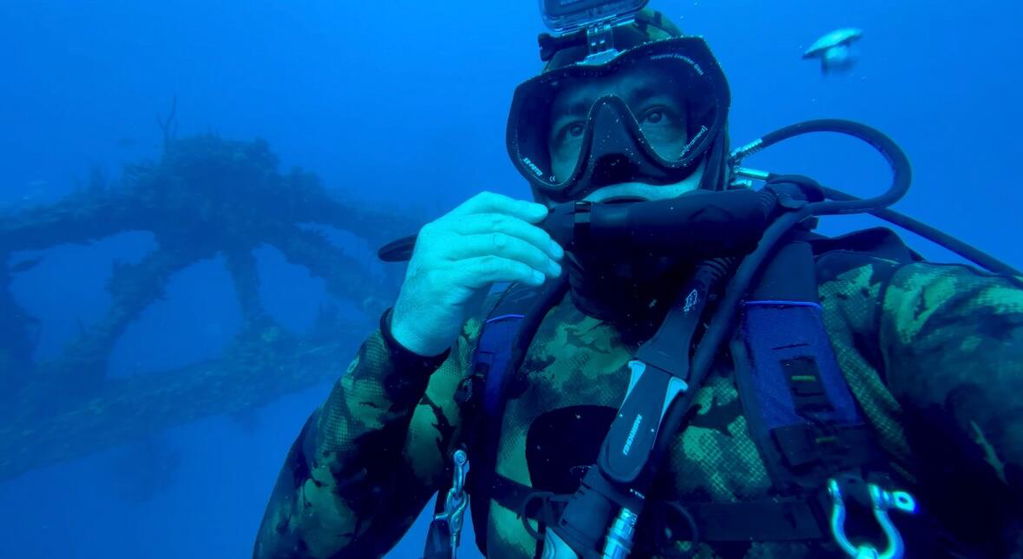
Few destinations pack as much world-class diving into as small an island as Cozumel. Sitting off the eastern coast of Mexico's Yucatán Peninsula, this 30-mile-long strip of limestone is the northern edge of the Mesoamerican Reef — the largest reef system in the Western Hemisphere — and it has built a reputation over decades as one of the best places on earth to learn, and love, drift diving.
If you're planning your first trip here, the good news is that Cozumel is both easy to reach and forgiving to dive. This guide covers the standout dive sites, the best time of year to go, how to get there, and the gear worth bringing so you can spend your bottom time watching the reef roll by instead of fussing with rental kit.
Why Cozumel Is a Drift Diver's Island
The current that makes Cozumel famous runs generally south to north along the island's protected western shore, carrying divers effortlessly along walls and coral gardens. On a typical dive you'll descend, get neutrally buoyant, and let the reef come to you — kicking is optional. Most of the diving happens inside the Cozumel Reefs National Marine Park (Parque Nacional Arrecifes de Cozumel), established in 1996 to protect the reef's coral and marine life.
Because it's a protected park, a few rules shape every dive: boats tie to fixed mooring buoys rather than dropping anchor, and a daily marine park fee (around 218 pesos per diver) is charged to help fund conservation — it's usually bundled into your dive package. In return you get healthy coral, abundant fish, and a genuine chance of seeing the splendid toadfish (Sanopus splendidus), a striped, endemic species found nowhere else in the world.
The Best Dive Sites in Cozumel
Palancar Reef
Palancar is the site most divers picture when they think of Cozumel. Really a series of adjoining sections — Palancar Gardens, Horseshoe, Caves, and Bricks — it's a sprawling system of coral buttresses, swim-throughs, and dramatic drop-offs starting around 40 feet and falling well beyond recreational limits. Gardens is the gentlest section and a favorite for newer divers; the deeper Caves and Horseshoe sections reward those comfortable with tunnels and overhangs.
Santa Rosa Wall
Santa Rosa is a classic Cozumel wall dive: a sheer, sponge-covered face that plunges into deep blue water, often swept by moderate to strong current. Overhangs and tunnels are draped in barrel sponges and sea fans, and the blue water off the wall is where you're most likely to spot eagle rays, turtles, and the occasional reef shark cruising past. It's best suited to divers with solid buoyancy and some drift experience.
Punta Sur and the Devil's Throat
At the island's southern end, Punta Sur is home to the Devil's Throat — a narrow, near-vertical cavern swim-through that drops through the reef to around 90–130 feet. It's genuinely spectacular, but it is an advanced, deep dive with overhead environment sections. This one is reserved for experienced divers with appropriate training and a guide who knows the passage.
Columbia Reef
Columbia's deep section features towering coral pinnacles rising from a sandy bottom, creating a landscape of canyons and archways. Turtles and larger pelagics pass through regularly, and the shallow area of Columbia doubles as a relaxed spot for a second dive or for snorkelers. It's a good example of Cozumel's range — dramatic structure at depth, easy reef life up top.
When to Dive Cozumel
Cozumel is a year-round destination, with water temperatures ranging from roughly 77°F (25°C) in winter to 84°F (29°C) in late summer. Visibility is consistently excellent — often exceeding 100 feet — thanks to the clear Caribbean water moving across the reef.
The drier months from December through May tend to offer the clearest, calmest conditions, with March and April frequently singled out as the sweet spot for warm, settled weather. One winter caveat: strong north winds known as nortes can churn up the sea and occasionally prompt the port to close to dive boats for a day or two.
June through November is the Atlantic hurricane season, peaking from August to October. Diving continues through much of this period and the reef is quieter, but travelers should watch the forecast, build in schedule flexibility, and consider trip insurance. Rain can briefly reduce visibility, though Cozumel's exposed reef usually recovers quickly.
How to Get to Cozumel
There are two common routes. The simplest is to fly directly into Cozumel International Airport (CZM), which receives international and connecting flights daily and sits just minutes from the main dive town of San Miguel. The alternative — often cheaper — is to fly into Cancún (CUN), travel south to Playa del Carmen, and take the passenger ferry across. The Ultramar and Winjet ferries run roughly every hour and make the crossing in about 45 minutes.
Once on the island, dive shops cluster around San Miguel, and most operators run two- and three-tank morning boat trips out to the marine park. If you'd rather chase big animals, seasonal bull shark dives run a short ferry ride away off Playa del Carmen, roughly from November through March.
Gear Worth Bringing to Cozumel
Cozumel operators rent full kit, but a few personal items make a real difference in comfort, safety, and image quality on a drift-diving trip. These are the pieces worth packing.
A Warm-Water Wetsuit
For most of the year a 3mm full suit is the sweet spot in Cozumel — enough neoprene to stay comfortable across two or three dives a day, without the bulk that tires you out in warm water. In the summer months many divers drop down to a shorty or a rash guard.

The Scubapro Definition 3mm Men's Steamer is built for exactly this kind of warm-water recreational diving, with soft neoprene that moves easily through long, current-driven dives. Divers who prefer a women's cut will find the Scubapro Sport Steamer 3mm Women's Full a comparable option, and you can compare thicknesses and fits across the full wetsuits collection.
A Surface Marker Buoy
Because every Cozumel dive is a drift dive, you finish somewhere different from where you started — and boats need to see you coming up. A surface marker buoy (SMB) deployed at your safety stop signals your position to the boat and to passing vessels, which is why many operators here expect divers to carry one.

The Akona Surface Marker Buoy with 20M Spool Combo is a compact, high-visibility package that pairs a bright buoy with a spool — a sensible, travel-friendly setup for drift diving. Practice deploying it before your trip so it's second nature at the safety stop.
A Personal Low-Volume Mask
A mask that fits you well is one of the most worthwhile things to travel with. Rental masks fit inconsistently and fog easily, and neither is what you want when a splendid toadfish or an eagle ray drifts by.

The Oceanic Shadow Frameless Mask packs flat into carry-on luggage, and its low-volume design clears easily and gives a wide, open field of view — ideal for scanning walls and swim-throughs.
Diving Cozumel Responsibly
The reason Cozumel's reef still dazzles is that it's actively protected, and divers play a direct role in keeping it that way. Dial in your buoyancy before you go so you never touch or brush the coral, keep your fins clear of the reef, and take nothing but photos. Feeding and handling marine life is prohibited inside the park.
One easy, high-impact step: pack reef-safe sunscreen. Mineral formulas that skip oxybenzone and octinoxate help protect the coral you came to see, and some marine-park operators ask that you use them. Small choices like these keep sites like Palancar and Santa Rosa thriving for the next boat of divers.
Frequently Asked Questions
Is Cozumel good for beginner divers?
Yes. Many sites, including Palancar Gardens and the shallow areas of Paradise and Columbia, are gentle enough for newly certified divers, and the effortless drift style is easy to enjoy. That said, drift diving is a distinct skill — a quick orientation dive and a briefing on SMB use will set you up well.
Do I need to be nitrox certified?
No, but nitrox is popular in Cozumel because it extends your no-decompression time across repetitive multi-dive days. If you plan to dive several days in a row, it's worth considering.
What certification do I need for the Devil's Throat?
Punta Sur's Devil's Throat is a deep dive with cavern sections and is generally reserved for Advanced Open Water divers (or higher) with good buoyancy, diving alongside an experienced local guide.
How much is the marine park fee?
A daily fee of roughly 218 pesos per diver funds the Cozumel Reefs National Marine Park. It's typically included in your dive operator's package price.
Plan Your Cozumel Trip
Cozumel earns its reputation: warm, clear water, dramatic walls, endemic marine life, and a relaxed drift style that lets you simply enjoy the reef. Sort out your certification level, pick your season, and pack a mask and SMB you trust, and the island takes care of the rest.
Browse DiveCatalog.com for warm-water wetsuits, travel-friendly masks, and drift-diving essentials to get your Cozumel kit dialed in before you fly.