Wetsuits
Men's Wetsuits Size Chart

Women's Wetsuits Size Chart

Hoods

Gloves

Boots

Drysuits & Shorts

Rash Guards

X-Black BCD

Level BCD

Glide BCD

Hydros Pro BCD

Seahawk 2 BCD

Navigator Lite BCD

Seawing Supernova, Nova, Gorilla Fins

Jet Sports Fins

Twin Jet Max, Twin Jet Fins

Go Sports / Gorilla Fins

Go Travel Fins

Full Foot Fins

S-Tek Fins


You May Need These
Description
Description
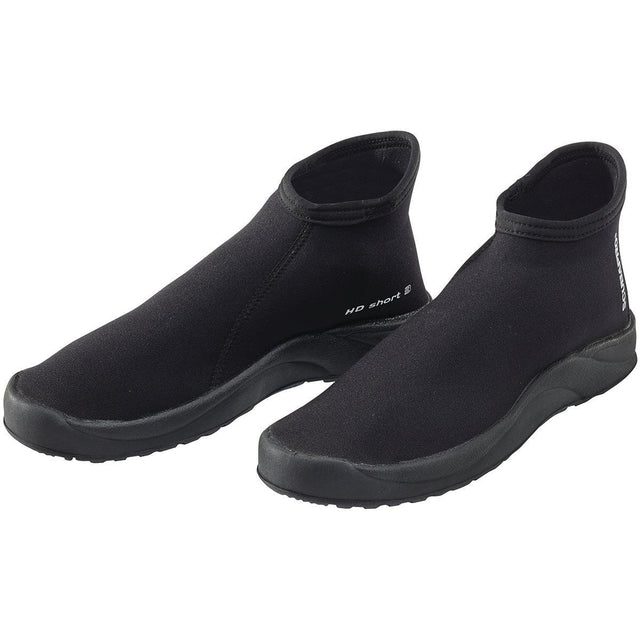
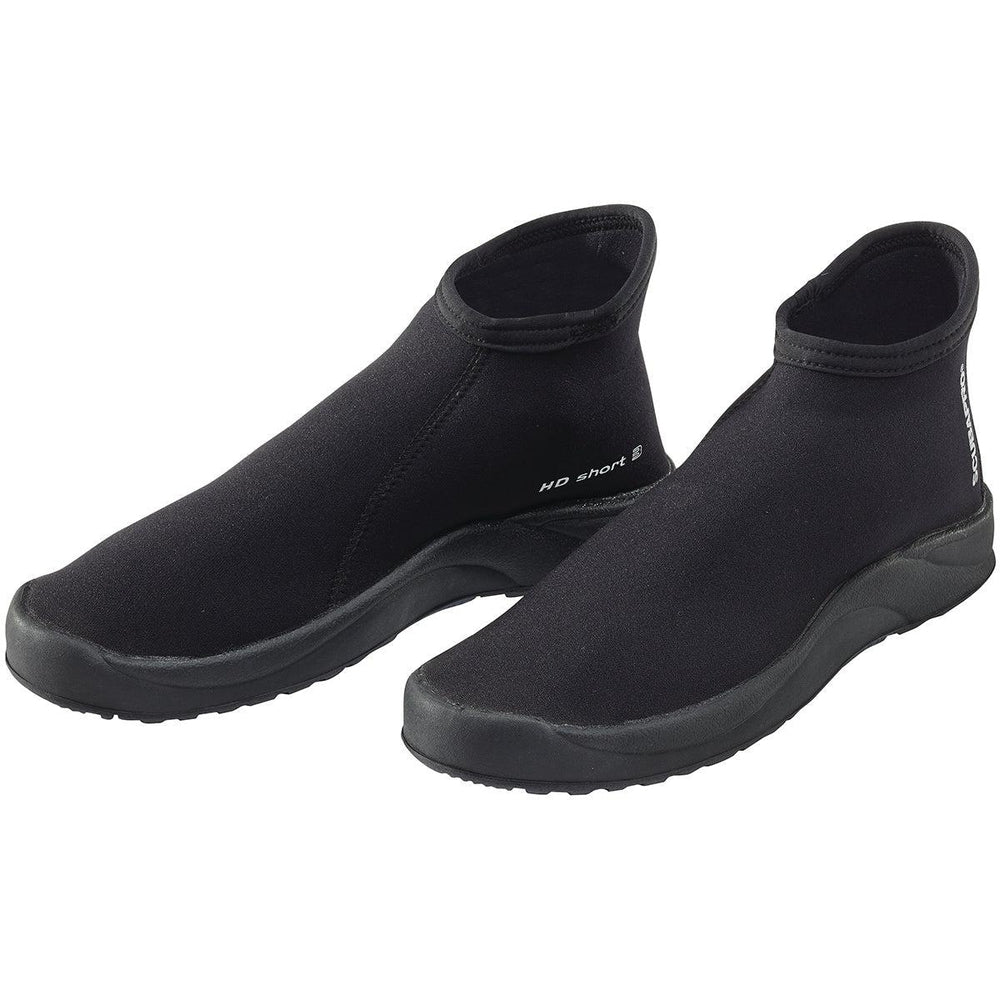
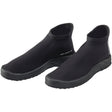
Scuba divers who hike or climb to a dive site will value the Scubapro Heavy Duty 3mm Short Boots. Designed with a flexible 3mm neoprene upper and a reinforced sole, they balance comfort with rugged durability for underwater excursions. The lace-up design plus a quick-lace system delivers a secure fit, and the boot fits over any drysuit sock for versatile use between dives on rocky shores or slippery decks.
These boots provide practical protection and reliable performance in challenging diving environments. The combination of a heavy-duty outsole and flexible neoprene makes them suitable gear for both recreational and technical diving, helping you move confidently from shore to water.
Features
Features
- Lace-up design lets you quickly achieve a snug, secure fit for scuba diving sessions.
- Heavy-duty ultra-grip sole protects the foot when traversing rocky shorelines during diving and underwater entries.
- Neoprene upper is ultra-flexible, enhancing comfort during long dives and underwater activities.
- Toe and heel caps are reinforced with durable rubber for extra protection during rugged terrain on diving trips.
- Heel cap fin strap keeper eliminates slippage during aggressive kicking when navigating currents and fins.
- Water-draining mesh storage bag included for convenient transport and drying of scuba gear between dives.
Specifications
Specifications
Specifications
| Marketing Product Type - Boots | Boot |
| Thickness - Boots | N/A |
| Materials - Boots | Nylon/Neoprene |
| Closure - Boots | No Zipper |
| Sole Type | Reinforced Toe and Heel, Ultra-Grip Sole, HD Rubber Textured Sole, Storage Bag Included, Lace-Up Design, Fin Strap Keeper |
| Product Weight | 1.7 lb |
| Activity | Recreational, Technical |
Payment & Security
Payment methods
Your payment information is processed securely. We do not store credit card details nor have access to your credit card information.
WARNING: This product contains chemicals known to the State of California to cause cancer, birth defects, or other reproductive harm. For more information, visit www.P65Warnings.ca.gov.
Frequently Asked Questions
What thickness of dive boots, gloves, or hood should I choose?
As a general rule, thicker neoprene insulates more, so colder water pushes you toward thicker accessories, but fit, dive length, and personal cold tolerance matter as much as the millimeter number. Divers commonly lose a great deal of heat through the head, so a hood is often the highest-value warmth upgrade for the money. Remember that every added piece of neoprene also adds buoyancy you will need to account for.
How should dive boots fit?
Boots should fit like a snug athletic shoe, with no heel lift and no crushed toes; a little water inside is normal, a sloshing pocket is not. Try them on with the socks you would actually dive, and remember your fin foot pocket has to accommodate the boot. Hard-sole boots protect on rocky shore entries, while soft-sole boots are lighter and pack smaller for boat and travel diving.
How should dive gloves fit?
Gloves should be snug across the palm with fingertips reaching the ends without bunching, since trapped air and loose fingertips destroy dexterity. Thicker gloves are warmer but make buckles, clips, and inflator buttons harder to operate, so choose the thinnest glove that keeps you comfortable in your conditions. Try working a clip or buckle while wearing them before you commit.
How should a dive hood fit?
A hood should seal around the face and neck without restricting your throat or jaw, and lie flat on your head without pulling the mask strap out of position. A loose hood flushes cold water continuously, while an overly tight one is distracting and uncomfortable. Many hoods have a vent to release air trapped during descent, so check yours and burp out any trapped air before you go down.
Why does new neoprene feel so tight?
New neoprene compresses and relaxes with use, so a boot, glove, or hood that feels firm out of the packaging usually settles slightly after a few dives. It should still be snug afterward rather than loose, because neoprene that stretches into a loose fit was probably oversized to begin with. Buy for a snug fit when new, but never for a fit that restricts circulation or breathing.
Do I need to change my weighting when I add a hood, gloves, and boots?
Yes, because every piece of neoprene you add is buoyancy, and a hood, boots, and thick gloves together can shift your weighting noticeably. Do a proper buoyancy check any time you change your exposure protection rather than assuming your usual weight still works. The weight-check procedure is covered in your training, and a dive professional can help you re-do it.
How do I care for dive boots, gloves, and hoods?
Rinse them inside and out in fresh water after every dive day, since they hold sweat and salt more than any other gear, and dry them fully inside-out before packing. Dry them out of direct sunlight and never on a heater, because heat hardens neoprene and weakens glued seams. Store them dry and unfolded, as damp neoprene sealed in a bag is how gear picks up a permanent smell.