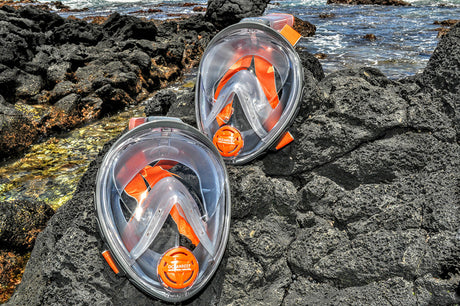

Scuba diving enthusiasts know that the choice of equipment can significantly impact their underwater experience. One critical component of a diver's gear is the buoyancy control system, and there are three main types to consider: the jacket-style BCD (Buoyancy Control Device), the back-inflate BCD, and the wing BCD. In this blog post, we'll explore the unique features and advantages of each, helping you make an informed decision for your next dive.
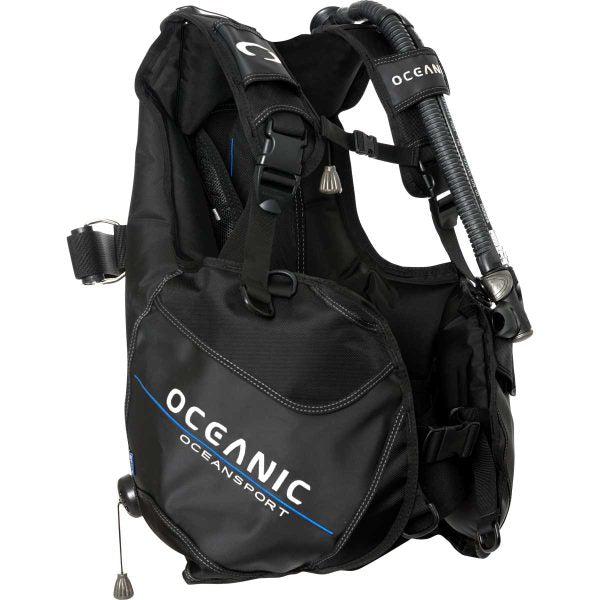
Jacket-Style BCD: The Classic Choice
Advantages:
- Comfortable on the surface, making it suitable for long periods of time spent at the water's surface.
- Intuitive design, making it a great choice for beginners.
- Convenient pockets and D-rings for accessory attachment.
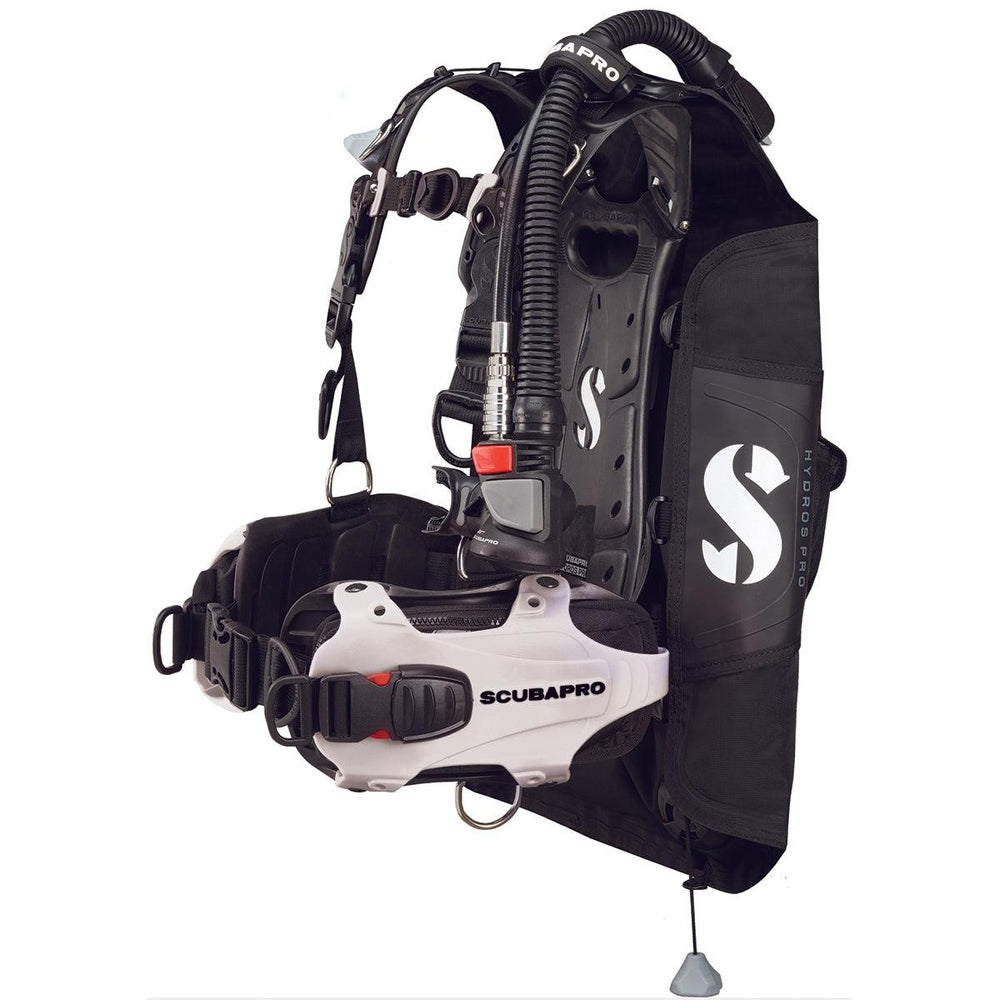
Back-Inflate BCD: Streamlined and Hydrodynamic
Advantages:
- Streamlined design enhances hydrodynamics, reducing drag.
- Allows for a more horizontal underwater position, aiding buoyancy control.
- Often lighter and more compact for travel.
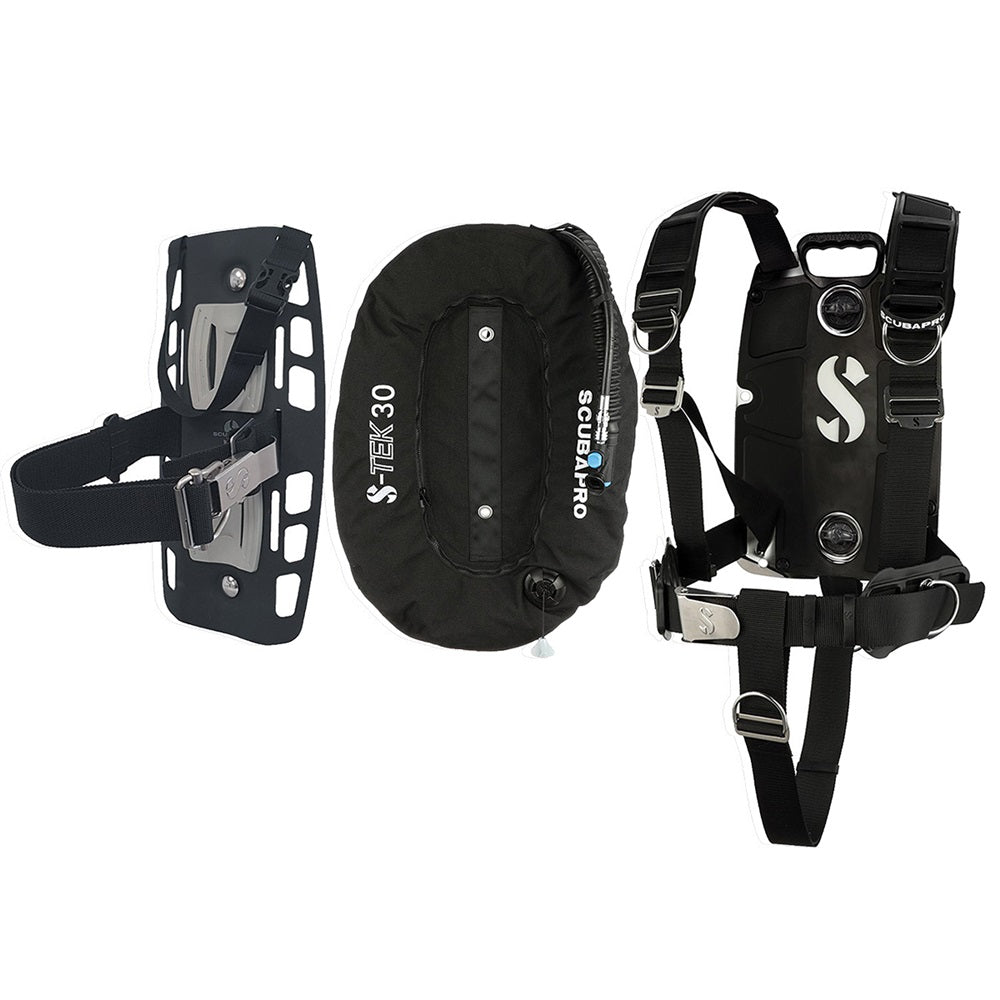
Wing BCD: Precision and Customization
Advantages:
- Highly customizable for a personalized fit and diving style.
- Larger wings offer greater lift capacity for technical diving.
- Improved trim and body positioning underwater.
Ultimately, the choice between a jacket-style BCD, a back-inflate BCD, and a wing BCD depends on your personal preferences, experience level, and diving goals. Beginners may find comfort in the familiar jacket-style design, while seasoned divers may prefer the streamlined profile of a back-inflate or the customization options of a wing system.
Before making a decision, it's crucial to try different buoyancy control systems and seek advice from experienced divers or professionals. By understanding the unique features of each type, you can confidently select the BCD that enhances your underwater adventures. Happy diving!