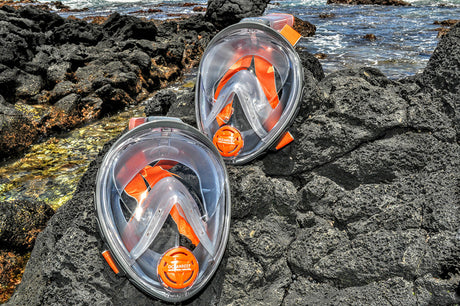

As an avid scuba diver, the choice of your scuba regulator is one of the most critical decisions you'll make. Your regulator is the lifeline between you and the underwater world, responsible for delivering the air you breathe at the appropriate pressure. With so many options on the market, it can be overwhelming to determine which features are most important. In this blog post, we'll explore the key factors to consider when selecting the perfect scuba regulator for your diving needs.
Breathing Resistance and Ease of Inhalation
One of the most important aspects of a regulator is its ability to provide effortless breathing, even at depth. The breathing resistance, or the amount of effort required to inhale and exhale, should be minimal. A regulator with low breathing resistance will allow you to conserve your air supply and dive more efficiently.
Look for a regulator with a balanced diaphragm design, which helps to maintain a consistent air delivery regardless of depth. This feature ensures that you won't have to work harder to draw in air as you descend. Additionally, consider a regulator with a large-bore design, as this can further reduce the effort required to breathe.
Reliability and Durability
Scuba diving can be a demanding sport, and your regulator needs to be able to withstand the rigors of the underwater environment. Look for a regulator that is constructed from high-quality materials, such as stainless steel or marine-grade brass, to ensure long-lasting performance.
Reliable regulators should also be designed with redundant safety features, such as a second stage that can function independently in the event of a primary stage failure. This "backup" second stage can provide you with a reliable source of air, allowing you to safely ascend to the surface.
Adjustability and Customization
Every diver has unique preferences and needs when it comes to their scuba equipment. Look for a regulator that offers a range of adjustability features, allowing you to fine-tune the performance to your liking.
Some key adjustable features to consider include:
- Inhalation effort adjustment: This allows you to fine-tune the amount of effort required to draw in air, ensuring a comfortable breathing experience.
- Exhalation resistance adjustment: This feature lets you adjust the ease of exhaling, which can be particularly useful for divers with respiratory conditions or those who prefer a more effortless exhale.
- Swivel and pivot adjustments: These allow you to position the second stage in a way that is most comfortable and ergonomic for your diving style.
By choosing a regulator with these customizable features, you can ensure a perfect fit and optimize your diving experience.
Environmental Resistance
Scuba diving often takes place in challenging environments, from cold water to warm, tropical destinations. Your regulator should be designed to withstand these environmental factors without compromising performance.
Look for a regulator with features that enhance its environmental resistance, such as:
- Cold-water compensation: This feature helps maintain consistent air delivery in colder water temperatures, preventing the regulator from freezing up.
- Thermal insulation: Regulators with thermal insulation can help protect the internal components from extreme temperatures, ensuring reliable operation in a variety of diving conditions.
- Corrosion resistance: Choose a regulator made from materials that are resistant to saltwater and other corrosive elements, ensuring long-term durability.
By considering the environmental resistance of your regulator, you can ensure that it will perform reliably in the diverse diving conditions you may encounter.
Comfort and Ergonomics
While the technical features of a regulator are essential, it's also important to consider the comfort and ergonomics of the design. After all, you'll be relying on this piece of equipment for the duration of your dive, and any discomfort can detract from your overall enjoyment and safety.
Look for a regulator with a lightweight, low-profile design that won't feel bulky or cumbersome underwater. The second stage should fit comfortably in your mouth, with a mouthpiece that is shaped to minimize jaw fatigue. Additionally, consider the placement and orientation of the hoses, as this can impact your range of motion and overall comfort during the dive.
Conclusion
Choosing the right scuba regulator is a critical decision that can significantly impact your diving experience. By considering factors such as breathing resistance, reliability, adjustability, environmental resistance, and comfort, you can find a regulator that will provide you with the performance, safety, and enjoyment you need to fully immerse yourself in the underwater world. Take the time to research and test different models, and don't be afraid to consult with experienced divers or your local dive shop for personalized recommendations. With the right regulator, you'll be well on your way to unforgettable dives and a lifetime of underwater exploration.