
Get up to 10% cashback
with our rewards program


-
-

-

Scubapro
Scubapro X-TEK Sidemount Wing - Black (12LT) 25LB Lift Capacity
Regular price $479.00Unit price

-
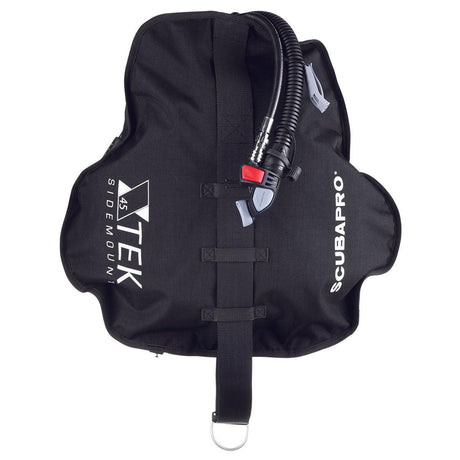
Scubapro
Scubapro X-Tek Sidemount Wing Black 20LT 45 lbs Lift Capacity
Regular price $479.00Unit price
-
-
-
-

-
Scubapro
Scubapro S-TEK Donut Wing 40 + S-TEK Pro Harness SS + Back Shoulder Waist Pad
+3Regular price $1,116.00Unit price-
-


-


Backplate and Wing BCD Systems for Scuba Diving
Discover the versatility and performance of Backplate and Wing (BP/W) BCD systems, the preferred setup for technical, cave, and advanced recreational divers. This modular system combines a sturdy backplate, a harness, and an interchangeable wing, offering superior customization, durability, and streamlined buoyancy control for any diving environment.
Why Choose a Backplate & Wing?
- Modular design: Mix and match backplates, harnesses, and wings to suit your needs.
- Durability: Stainless steel, aluminum, or carbon-fiber plates built for longevity.
- Streamlined profile: Low drag for technical dives, wreck penetration, and caves.
- Custom fit: Adjustable harness systems tailored to your body and exposure protection.
- Wing selection: Swap wings for single-tank, double-tank, or travel setups.
- Weight distribution: Backplate weight helps trim and reduces the need for additional lead.
Key Features to Compare
- Backplate materials: Stainless steel for ballast, aluminum for travel, carbon fiber for lightweight strength.
- Harness options: Continuous webbing for simplicity, deluxe harnesses for added padding and adjustability.
- Wing lift capacity: Typically 20–40 lb for single tanks, 40+ lb for doubles and technical configurations.
- Wing shape: Donut vs. horseshoe designs for buoyancy distribution and trim control.
- Accessories: D-rings, crotch straps, and weight pockets for complete customization.
Who They’re Best For
Technical divers: Needing modularity for doubles, stages, and sidemount transitions.
Experienced recreational divers: Wanting a long-lasting, customizable BCD.
Travel divers: Using lightweight aluminum or carbon plates with compact single-tank wings.
Buying Tips
- Choose the right plate: Steel for built-in ballast, aluminum or carbon for travel convenience.
- Match wing lift: 20–30 lb for warm-water single tanks, 40+ lb for doubles or drysuit diving.
- Select harness type: Continuous webbing for minimalism, deluxe harnesses for comfort and quick adjustability.
- Check compatibility: Ensure the wing and backplate bolt pattern match (standard 11-inch spacing).
- Add accessories wisely: Trim pockets, weight systems, and D-rings to suit your diving style.
Maintenance & Care
- Rinse wing and backplate thoroughly after saltwater dives.
- Flush bladder and valves to prevent salt buildup.
- Inspect webbing and hardware for wear before dives.
- Store the system dry, partially inflated, and away from UV exposure.
- Replace worn webbing or O-rings as needed—parts are modular and easy to service.
Backplate & Wing Comparison at a Glance
| Backplate Material | Weight | Best Use | Notes |
|---|---|---|---|
| Stainless Steel | ~5–6 lb | Cold water, drysuit diving | Adds ballast, reduces need for lead weights |
| Aluminum | ~2 lb | Travel, warm water | Lightweight and easy to pack |
| Carbon Fiber | ~1 lb | Premium travel setups | Ultra-light but more expensive |
Frequently Asked Questions
What is the main advantage of a backplate and wing system?
The modular design lets you customize your setup for different dive environments, offering superior durability, trim, and adaptability compared to traditional jacket BCDs.
Can beginners use a backplate and wing?
Yes. While popular among technical divers, many recreational divers enjoy the stability, simplicity, and longevity of BP/W systems from their very first dives.
Which wing size do I need?
For single-tank warm-water diving, a 20–30 lb wing is sufficient. For doubles, cold-water, or drysuit diving, choose a 40 lb or larger wing for adequate lift.
Are all wings and backplates compatible?
Most follow the standard 11-inch bolt spacing, but always confirm compatibility between wing, plate, and harness before purchasing.
Do I still need a weight belt with a steel backplate?
Often less or none. A stainless steel backplate adds 5–6 lb of ballast, reducing or eliminating the need for extra lead in many setups.